



Essential PPE in the Food Industry: What You Need to Know
Overwhelmed by PPE options for food safety? Master your PPE selection for food workers safety with these practical tips.












Working in construction during winter presents challenges like staying warm, comfortable, and mobile while maintaining productivity and safety.
This guide guarantees that by the end, you’ll have all the information needed to choose the best winter work pants for construction, from key considerations and materials to essential features and maintenance tips.
Drawing on insights from our extensive workwear for cold weather series and How To Choose Work Pants For Winter, we’ll also guide you to solve the next step—pairing your pants with complementary winter workwear to tackle even harsher conditions.
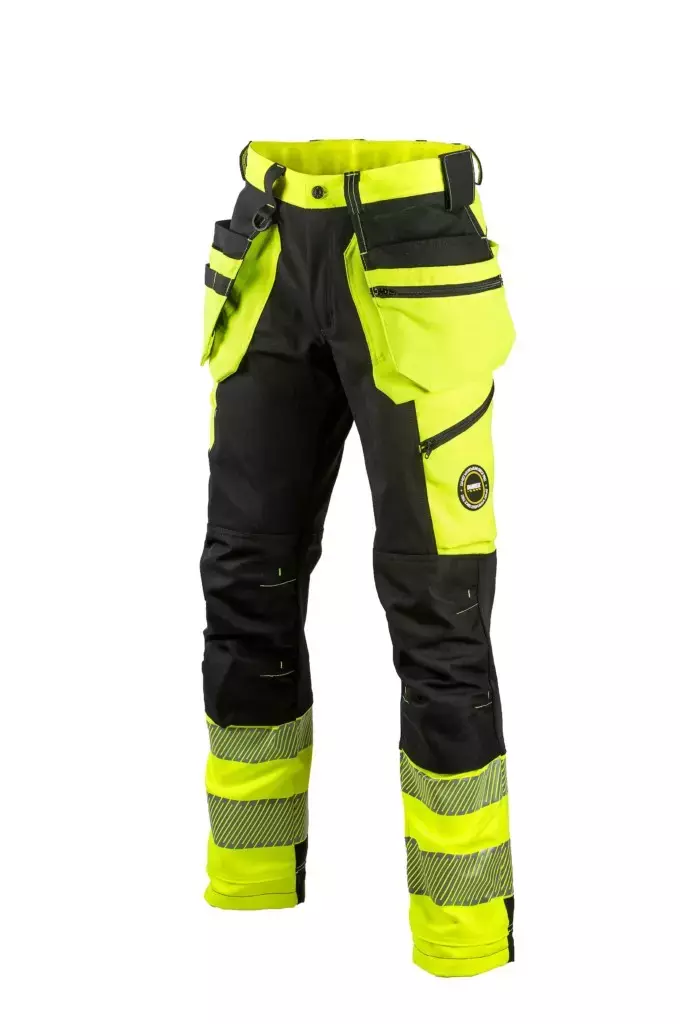
To select the right winter work pants, consider the following essential features:
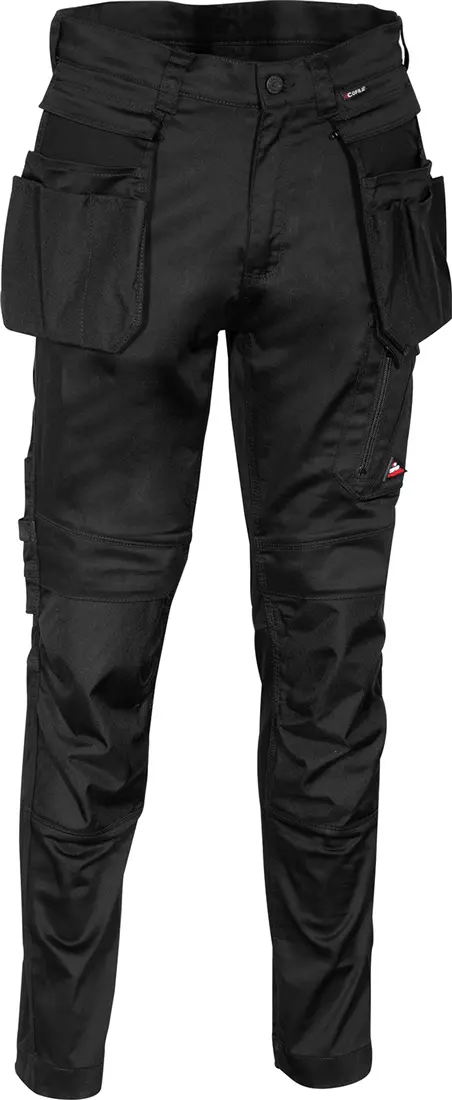
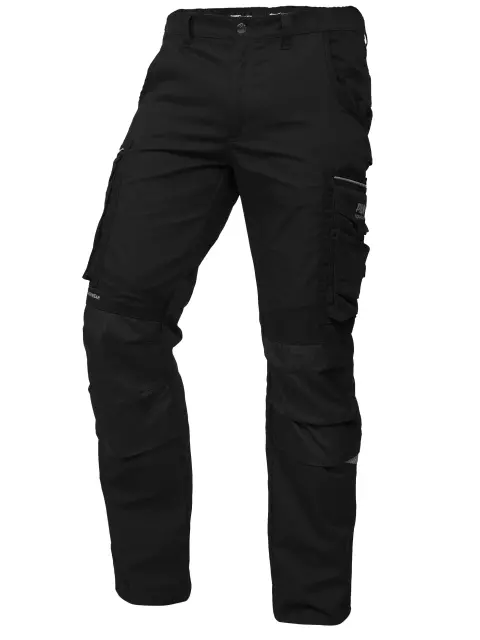
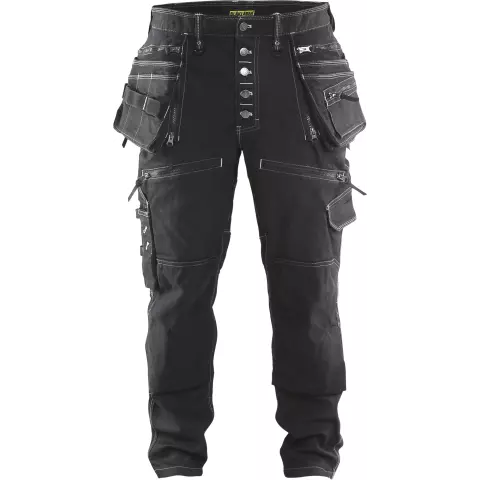
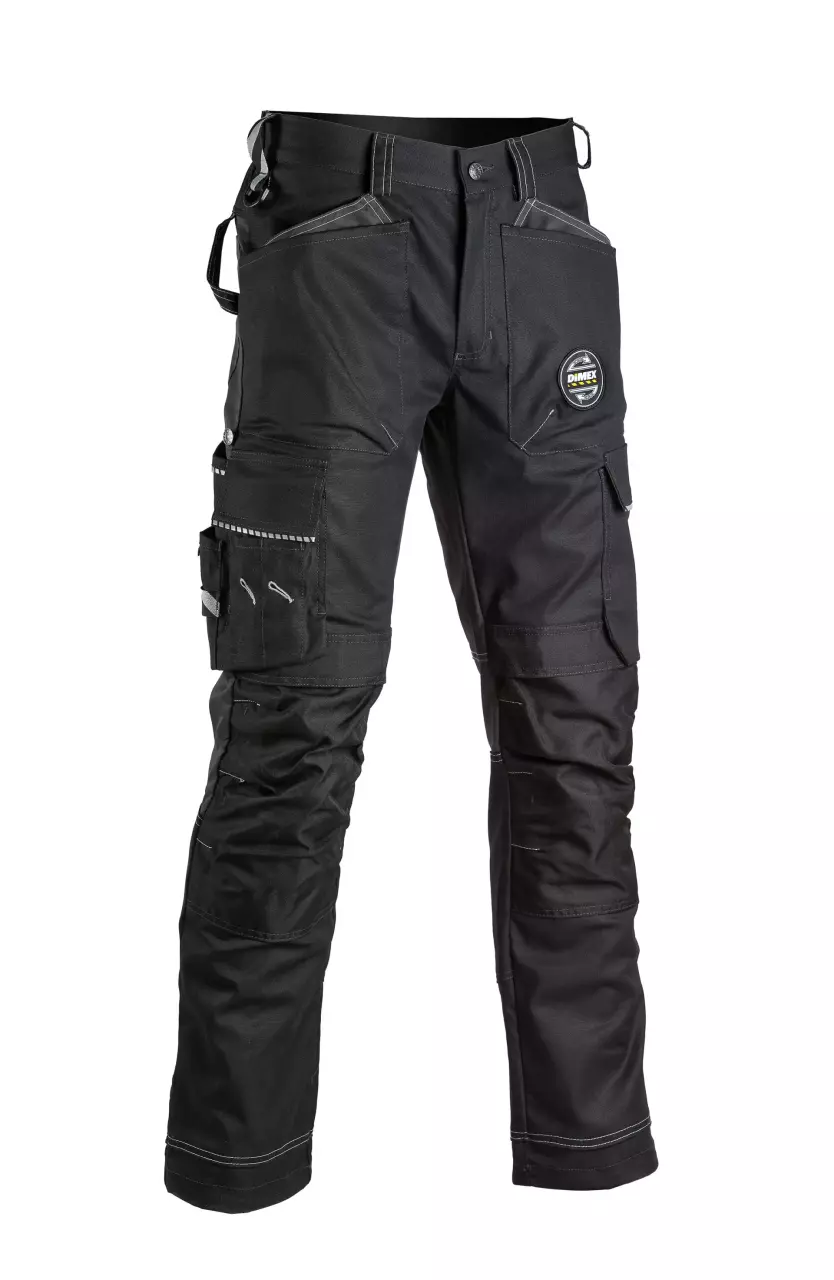
The level of insulation impacts warmth and mobility. Popular options include:
/piece
/piece
/package

/piece
/piece
/piece
/piece
/piece

/piece

/package
/piece
/package
/piece
/package
/piece
/piece

/package

/package

/package

/package
/piece
/piece
/package

/package

/package
/piece
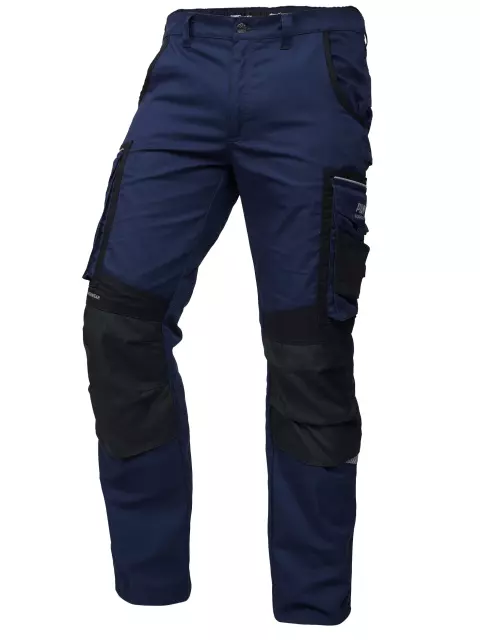
/piece
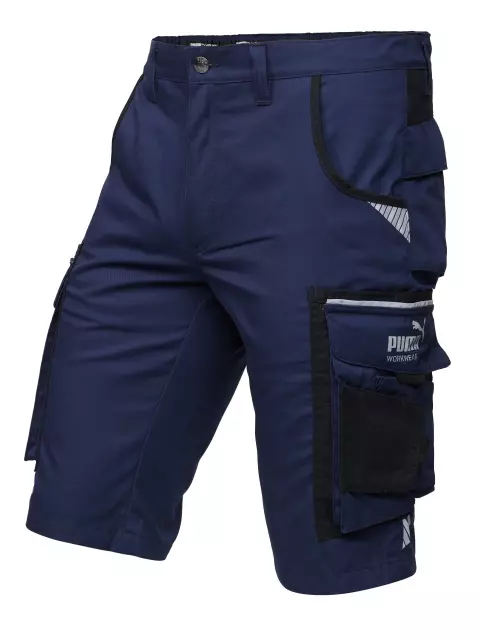
/piece

/package
Each material has pros and cons depending on your specific needs and environment.
Construction often involves exposure to snow, rain, and wind. Look for waterproof or water-resistant pants to keep you dry, along with windproofing features to block cold air.
Durability is critical in construction. Look for ripstop fabrics and reinforced areas like knees or seat panels. Materials such as Cordura and nylon blends are common in high-quality winter workwear.
Ensure the pants allow full range of motion. Articulated knees and stretch panels can make a significant difference when climbing or kneeling frequently.
Depending on the job site, consider flame-resistant materials or high-visibility designs. For EU regulations, verify compliance with EN ISO 20471 standards for visibility. Learn more about EN Standards from this guide in Wikipedia.

Different construction tasks require specific winter workwear. Here’s a quick breakdown:
| Scenario | Ideal Features | Example Pants |
| Wet and snowy conditions | Waterproof, fleece-lined, reinforced seams | Quilted thermal work pants |
| Heavy lifting | Lightweight, stretchable, abrasion-resistant fabrics | Insulated cargo work pants |
| High-altitude work | Windproof, layered insulation, secure waistbands | Wind-resistant overalls |
Check out our curated range of Winter Work Pants for top-quality options.
Choosing the correct size is essential for comfort and functionality. Most European workwear brands follow standard sizing charts, with waist sizes in centimeters (e.g., 80 cm, 90 cm) and lengths in inseam measurements (e.g., 32 cm). Consult the brand’s size guide for accuracy.
To maximize the lifespan of your insulated work pants, follow these tips:
For complete protection, pair your thermal work pants with other essential winter gear. Explore these related categories:
For detailed guidance, read our How To Choose Work Jackets For Winter and other related articles.
Choosing the right winter work pants for construction can make the difference between a productive, comfortable day and a miserable one. Prioritize insulation, weather resistance, and durability while ensuring the pants meet your specific job requirements. Explore the best options from our Winter Work Pants collection and stay prepared for the season.
For more tips on optimizing your cold-weather workwear, visit our main article.
There’s no universal standard, but some brands provide recommended ranges. If you often work in sub-zero conditions, opt for pants rated for extreme cold.
Yes. Many brands offer women-specific lines with tailored waists and cuts that improve comfort and mobility compared to unisex or men’s styles.
A lightweight base layer is usually enough for moderate cold. For harsher conditions, wear heavier, moisture-wicking layers (e.g., merino wool). Ensure you still have full mobility.
Choose pants with breathable fabrics or ventilation zippers, and pair them with moisture-wicking base layers. During breaks, open vents or loosen your waistband to let air circulate.
Clean and dry them thoroughly, then store in a cool, dry place—preferably in a breathable garment bag or labeled container to protect against dust and pests.





Overwhelmed by PPE options for food safety? Master your PPE selection for food workers safety with these practical tips.

Struggling to maintain clear vision in demanding environments? This guide is here to help. By the end, you’ll know exactly...

Electricians across Europe face unique challenges that require reliable safety glasses to ensure both protection and efficiency. Whether safeguarding against...
Overwhelmed by PPE options for food safety? Master your PPE selection for food workers safety with these practical tips.
Struggling to maintain clear vision in demanding environments? This guide is here to help. By the end, you’ll know exactly...
Electricians across Europe face unique challenges that require reliable safety glasses to ensure both protection and efficiency. Whether safeguarding against...
Get 10€ off on your first order!
Save 30% by buying directly from brands, and get an extra 10€ off orders over €100
Save 30% by buying directly form brands, and get an extra 10€ off orders over €100