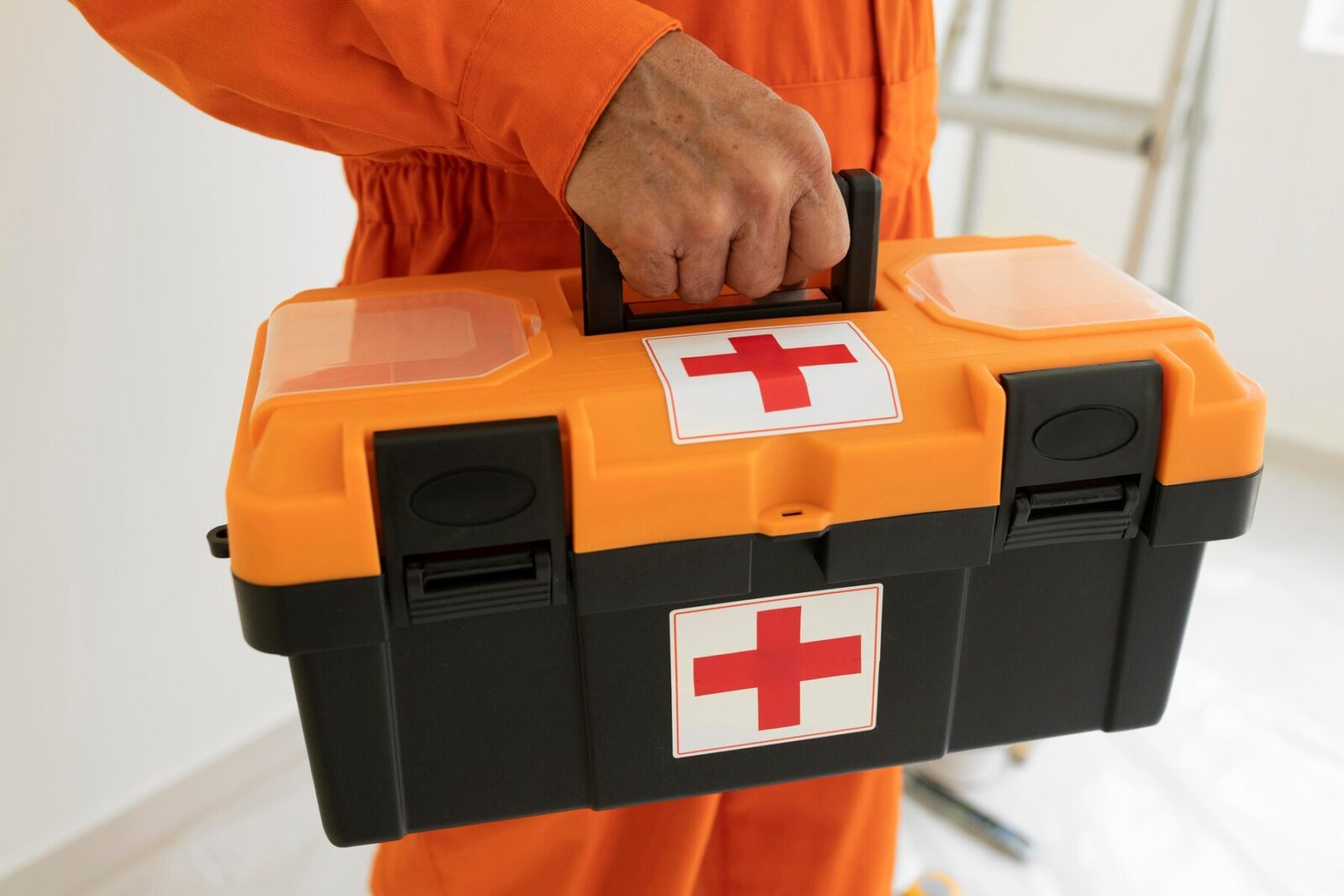
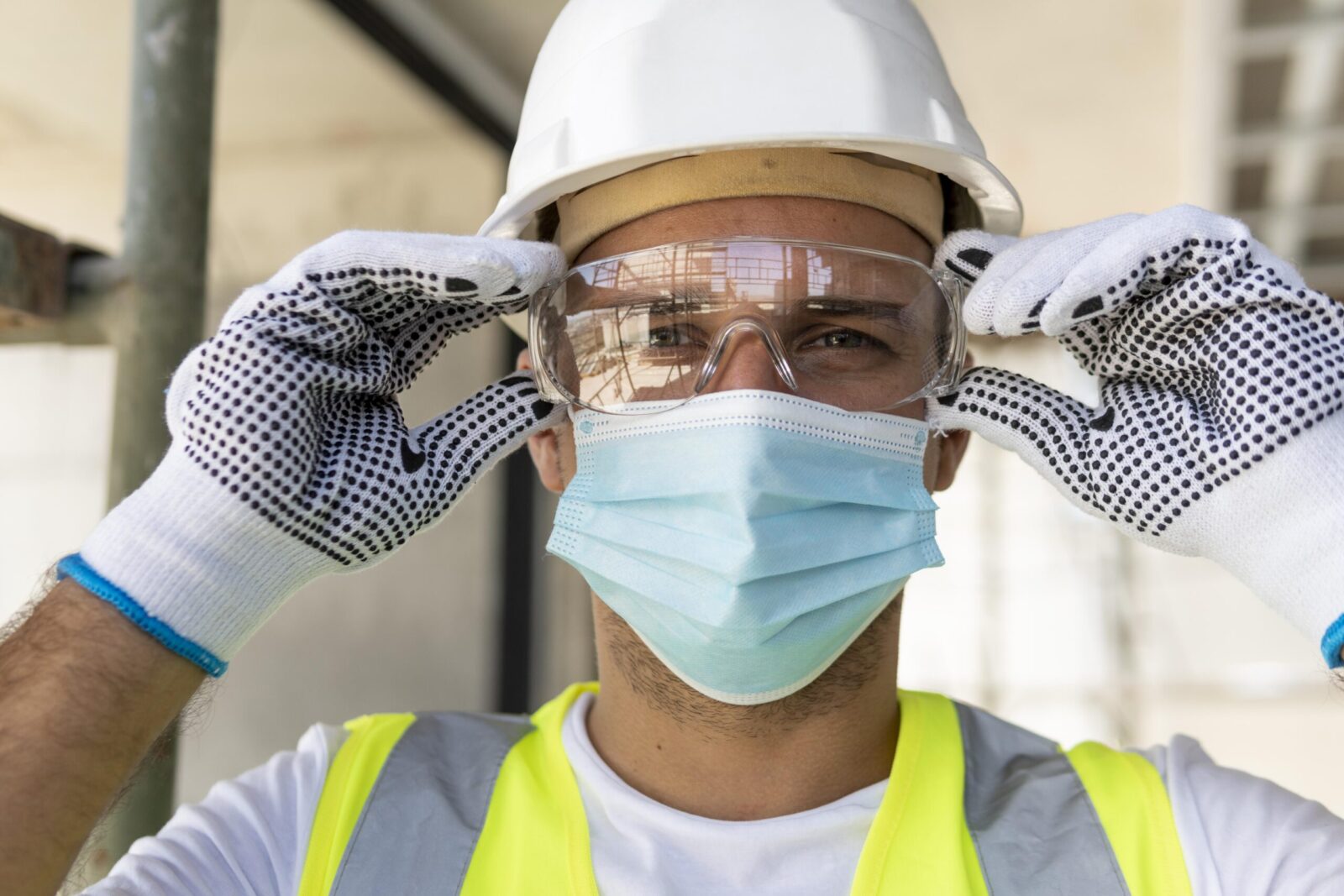
In the construction industry, safety standards are essential to protect workers from common hazards, including injuries and accidents. A well-equipped first aid kit plays a key role in managing minor injuries on-site and providing support until medical help arrives. Choosing the right first aid kit for construction sites in Europe requires understanding local regulations, assessing the unique hazards of each site, and selecting suitable supplies that meet these demands.
1. Understanding Regulatory Requirements for First Aid in Europe
European regulations provide clear standards for workplace safety, including requirements for first aid. Construction companies need to comply with the EU’s Workplace Health and Safety (WHS) directives, which vary slightly by country but share common principles. European legislation, including the Council Directive 89/391/EEC, emphasizes that employers must assess and prepare for workplace hazards, including providing sufficient first aid resources.
In addition, the EN 13157 standard for first aid in the workplace is widely recognized. This standard helps businesses determine the appropriate number and type of first aid kits based on the nature of the work environment and the size of the workforce. Employers should review their country’s specific WHS requirements to confirm that their first aid provisions meet the required standards.
2. Assessing Common Construction Site Hazards
Construction sites involve a variety of tasks that pose risks to workers, from handling heavy equipment to working at heights. Common hazards include:
- Cuts and lacerations from sharp tools or materials
- Falls and slips, often leading to sprains or fractures
- Burns from welding equipment or chemicals
- Exposure to hazardous substances, such as cement dust or other airborne particles
- Eye injuries due to debris or welding flash
Each type of injury requires specific first aid supplies to provide effective treatment, so understanding these risks is the first step in selecting the right equipment.
3. Choosing the Right Contents for a Construction Site First Aid Kit
Given the increased risk of serious injuries at construction sites, first aid kits must be more robust than in regular offices. Usually, a complete building site first aid kit calls for the following:
- Adhesive Bandages and Sterile Gauze Pads: Useful for treating minor cuts and scrapes, which are common in construction work.
- Antiseptic Wipes and Solution: Help prevent infection in open wounds.
- Large sterile bandages and trauma dressings are needed for bigger injuries like deep cuts or scrapes.
- Disposable Gloves: To prevent cross-contamination while handling injuries.
- Splints and Support Bandages: For immobilizing sprains, fractures, or other bone injuries until further medical assistance is available.
- Burn Gel and Dressings: For treating minor burns from equipment or chemical exposure.
- Eye Wash Solution and Eye Pads: Eye injuries are frequent in construction, especially where debris or welding equipment is used.
- CPR Face Shield or Mask: Protects the first aider when performing CPR.
- Scissors and Tweezers: Useful for cutting dressings or removing debris from wounds.
These items cover basic treatment for common construction-related injuries. Some sites may require additional supplies, especially those involving hazardous chemicals, which may need specialized eye wash stations or burn treatment options.
4. Deciding on First Aid Kit Size and Quantity Based on Workforce and Site Size
How many and what size first aid kits you need depend on how many workers you have, how the site is set up, and what risks are there. To give you an idea:
- For small to medium-sized sites with up to ten workers, one complete first aid kit should be enough, as long as it’s easy to get to.
- Large Sites (More than 10 Workers): Multiple kits should be available at various locations to ensure quick access. This may include portable kits that supervisors or safety officers can carry.
For multi-story sites or those spread over a large area, placing kits at multiple access points—such as entrances, break areas, and near high-risk zones—can save critical time in emergencies.
5. Selecting First Aid Kits Based on the Type of Construction Work
Adapting first aid kits to specific environments is crucial because different kinds of construction work pose different risks. Take this example:
- Demolition Sites: Increased risk of severe cuts, fractures, and dust inhalation injuries. Include more trauma dressings, dust masks, and eye wash supplies.
- Higher risk of electrical burns when working with electricity. Include more saline solution and burn dressings.
- Road Construction: High chances of exposure to moving vehicles. Trauma dressings, reflective vests, and an emergency whistle can improve visibility and response in case of an accident.
By tailoring the first aid supplies to the specific needs of each type of work, companies can provide more effective support in emergencies.
6. Establishing Procedures for Regular Kit Inspections and Maintenance
Keeping a first aid kit in good shape is just as important as getting one. Companies that work in construction should take care of:
- Routine Inspections: Schedule regular checks (e.g., monthly) to ensure all supplies are present and in usable condition. Items like adhesive bandages and antiseptic wipes may have expiry dates.
- Replacement of Used Supplies: Keep a record of items used in first aid incidents and replace them promptly.
- Compliance with WHS Standards: Ensure that inspections meet the requirements of both internal safety policies and European standards.
Keeping records of inspections and replacements can help demonstrate compliance with safety standards, which is essential during safety audits or regulatory inspections.
7. Training Employees in First Aid and Emergency Response
A well-stocked first aid kit is only useful if people know how to use it. It is very important to teach first aid on construction sites, where injuries are more likely to happen. In Europe, most of the time, WHS rules say that there needs to be at least one trained first aider on-site. Some important parts of training should be:
- Basic First Aid Skills: Including wound care, CPR, and treating burns or fractures.
- Specific Training for Construction-Related Injuries: Recognizing symptoms of common construction-related injuries, such as eye injuries or fractures.
- Using Site-Specific Supplies: Workers should know where kits are located and how to use items unique to their specific work environment.
Regular training sessions help ensure that employees feel confident in responding to emergencies and can provide effective assistance until medical help arrives.
8. Integrating Emergency Contact Information and Communication Procedures
Should a major injury arise, first aid could not be enough and emergency services must be called. Building sites should: help to enable rapid communication by:
- Display Emergency Contact Information: Include local emergency numbers and nearby hospital addresses with each first aid kit.
- Clearly define the procedures workers should follow in case of an injury: how to get in touch with emergency services and superiors?
By preparing these details in advance, companies can ensure a more coordinated and rapid response during emergencies.
9. Considering First Aid Kit Accessibility and Portability
It’s important to be able to get to construction sites. It is best to put first aid kits in places that are easy to get to, even when things get tough. Portable kits are helpful for bigger jobs or working from home because they let workers take important things with them.
For mobile construction teams, such as road repair or landscaping crews, portable or vehicle-mounted kits can help ensure that first aid is always available, even when workers are on the move.
Conclusion
Choosing the right first aid kit for construction sites in Europe requires a thoughtful approach, with a focus on regulatory compliance, understanding site-specific risks, and maintaining accessibility. With a well-equipped first aid kit and trained personnel, construction companies can effectively manage on-site injuries, reduce downtime, and enhance overall safety. By keeping kits stocked, regularly inspected, and easily accessible, companies demonstrate their commitment to safety and compliance with European health standards, protecting workers and fostering a safe work environment.