Dependable protection ensures safety and confidence in cold and fire-risk environments. The EN 342:2017 standard provides clear guidelines for selecting workwear that ensures safety and comfort in these conditions.
This article will provide a comprehensive guide to understanding and choosing the best fire-retardant jackets under this standard, ensuring you stay safe and comfortable.
By the end, you’ll have the confidence to select the right gear and tackle related challenges, such as pairing your jacket with complementary fire-retardant workwear.
The EN 342:2017 standard outlines the performance requirements for workwear in environments with temperatures as low as –40°C. It evaluates the garment’s thermal insulation, air permeability, and resistance to water penetration.
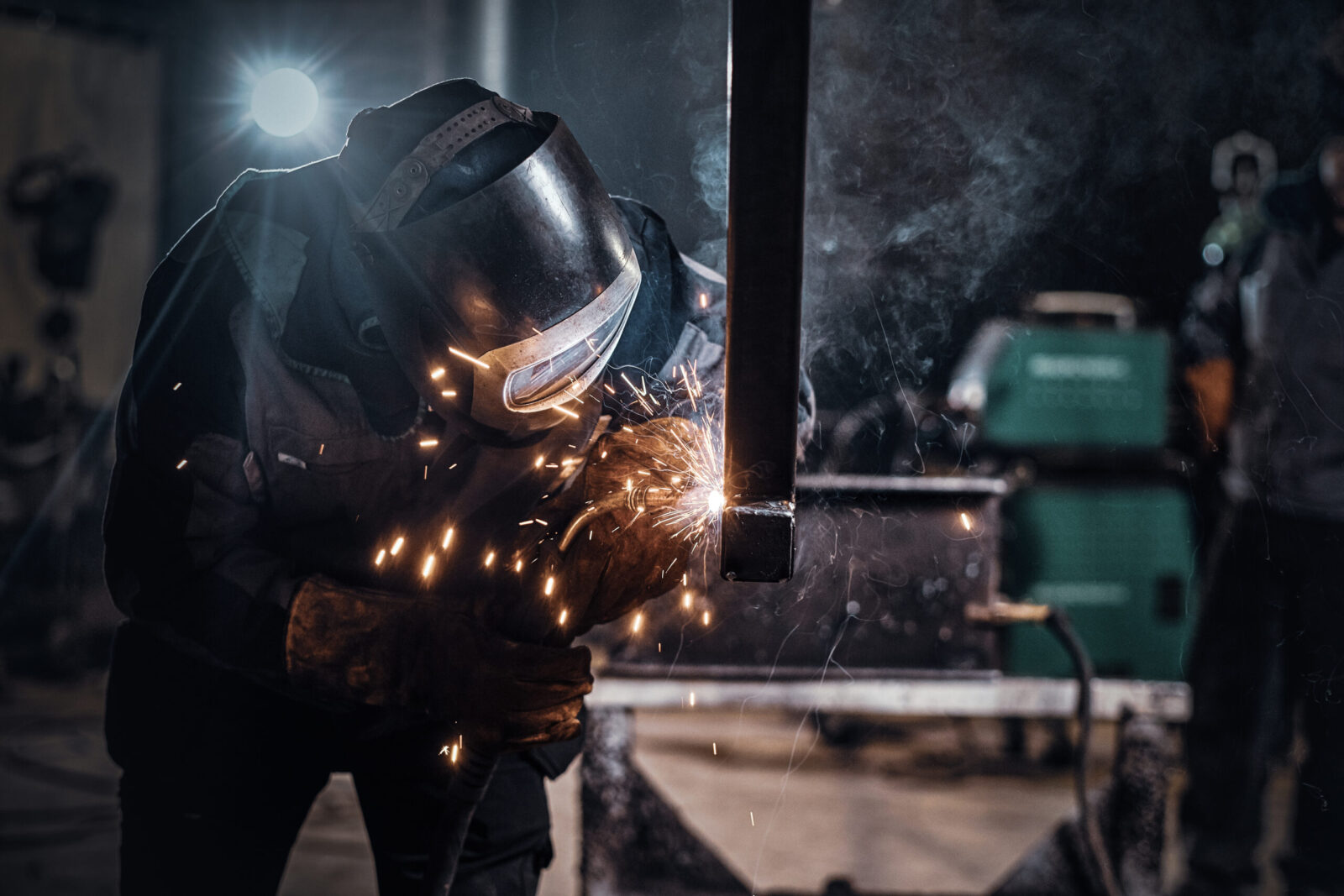
While EN 342 focuses on thermal protection, integrating fire-retardant materials ensures safety in industries such as welding, metalworking, and oil and gas.
This dual-protection capability makes EN 342-compliant workwear an excellent choice for professionals exposed to both cold and heat hazards.
You can learn more about the EN Standards from this guide on Wikipedia.
Key Features of EN 342:2017 Fire-Retardant Jackets
Thermal Insulation
Garments must provide effective thermal insulation to keep workers safe and comfortable in cold conditions. EN 342 measures this using the clo value, which quantifies thermal resistance. High clo values ensure superior warmth and comfort during extended outdoor work.
Air Permeability
Air permeability affects how much wind can penetrate the material. The standard categorizes this from Class 1 (least protective) to Class 3 (most protective). For example, a Class 3 fire-retardant jacket offers maximum wind resistance, which is crucial in freezing environments.
Water Penetration Resistance
Workwear that passes the EN 342 water resistance test ensures minimal water ingress, providing additional comfort and protection. While this isn’t mandatory for certification, it’s highly recommended for outdoor workers.
Fire-Retardant Features
The fire-retardant properties of jackets must meet supplementary standards such as EN ISO 11612 for heat and flame resistance. This ensures the garment will protect against heat exposure, allowing you to work near open flames with confidence.
For more on selecting high-performance jackets, explore ourFire-Retardant Jackets collection.
Comparison Chart: EN 342:2017 vs. EN ISO 11612
Feature
EN 342:2017
EN ISO 11612
Focus
Protection in extreme cold and wind
Heat and flame protection
Thermal Insulation
Measured by clo value
Not assessed
Air Permeability
Classified from Class 1 (least) to Class 3 (most protective)
Not assessed
Water Resistance
Optional but recommended for outdoor workers
Not assessed
Flame Resistance
Must comply with supplementary standards
Core requirement
This table highlights the complementary nature of these standards, making EN 342 ideal for cold environments, while EN ISO 11612 focuses on heat hazards. Selecting workwear compliant with both ensures comprehensive protection.
Benefits of EN 342:2017 Compliance
Investing in EN 342:2017-compliant fire-retardant workwear ensures:
Enhanced Protection: Safeguard against extreme cold and heat simultaneously.
Durability: High-quality materials designed to endure challenging conditions.
Misconception 1: EN 342 Automatically Includes Fire Resistance
While EN 342:2017 ensures protection against cold and wind, it does not inherently guarantee fire-retardant properties. Jackets must also comply with standards like EN ISO 11612 to ensure heat and flame resistance. It is advisable to check for dual compliance in fire-hazard environments.
Misconception 2: Any Insulated Jacket Meets EN 342 Standards
Not all insulated jackets meet EN 342:2017 requirements. Certified garments are rigorously tested for thermal insulation, air permeability, and (optionally) water resistance. Look for official EN 342 labels to ensure compliance.
Misconception 3: Higher Class Ratings Are Always Better
The highest air permeability and water resistance classes (Class 3) are not always necessary. For instance, indoor workers may find lighter, Class 1 garments more suitable and cost-effective while still meeting their needs.
How to Choose the Right Fire-Retardant Workwear
Assess Your Work Environment
The choice of workwear depends on your industry. For example, welders should prioritize jackets with high heat resistance, while those in outdoor settings need maximum insulation and wind resistance. Learn more in our article, How To Choose The Right Fire-Retardant Jackets For Welding.
Evaluate Fit and Comfort
Ensure the jacket fits well without restricting movement. Look for adjustable features, such as cuffs and waistbands, to customize the fit for optimal comfort and protection.
Consider Secondary Workwear
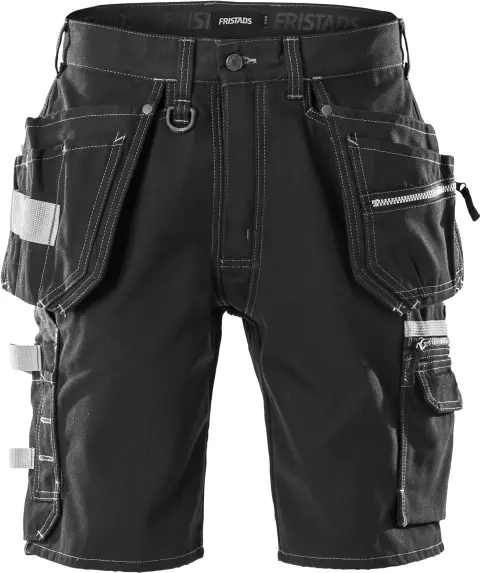
Pair your jacket with other fire-retardant gear, such as:
Proper care extends the lifespan of your EN 342-compliant workwear. Follow these guidelines:
Wash as per manufacturer instructions: Avoid using high temperatures that can degrade fire-retardant properties.
Inspect regularly: Inspect regularly for signs of wear or damage that could affect the garment’s performance.
Store appropriately: Store garments in a dry, cool place to maintain their quality and effectiveness.
The Importance of Layering
For extreme conditions, layering ensures optimal comfort and protection. Pair your fire-retardant jacket with insulated undergarments and wind-resistant outer layers. Refer to our article, Fire-Retardant Shirts: Everything You Need To Know, for insights on base layers.
Conclusion
We hope this guide has empowered you to navigate the essential factors of EN 342:2017-compliant workwear, from understanding thermal insulation to recognizing fire-retardant features. Whether you’re braving freezing temperatures in the construction industry or working near flames in metalworking, the right fire-retardant jacket can make all the difference.
Still have questions? Reach out—our team is here to help you make confident and informed decisions. Together, we can ensure your safety and tackle the challenges that lie ahead.
Frequently Asked Questions
What is the difference between EN 342:2017 and EN ISO 11612?
EN 342 focuses on cold protection, while EN ISO 11612 is about heat and flame resistance. Both are important for comprehensive safety in hazardous environments.
Do all jackets labeled EN 342:2017 provide fire protection?
No, EN 342 ensures cold protection, but fire protection requires additional compliance with standards like EN ISO 11612.
Can I use EN 342 jackets for indoor work?
Yes, but consider lower air permeability and insulation classes if you’re working indoors, as they may offer better comfort and cost-effectiveness.
How often should I replace my EN 342 jacket?
Replace it when there are signs of wear, damage, or after repeated washing that might affect its performance.
Do EN 342 jackets come in different sizes?
Yes, most EN 342 jackets come in a range of sizes. Make sure to choose one that offers a good fit for ease of movement and maximum protection.
Need help choosing the right workwear for your role?
Our team is here to guide you so you can shop with safety and confidence, every time.