



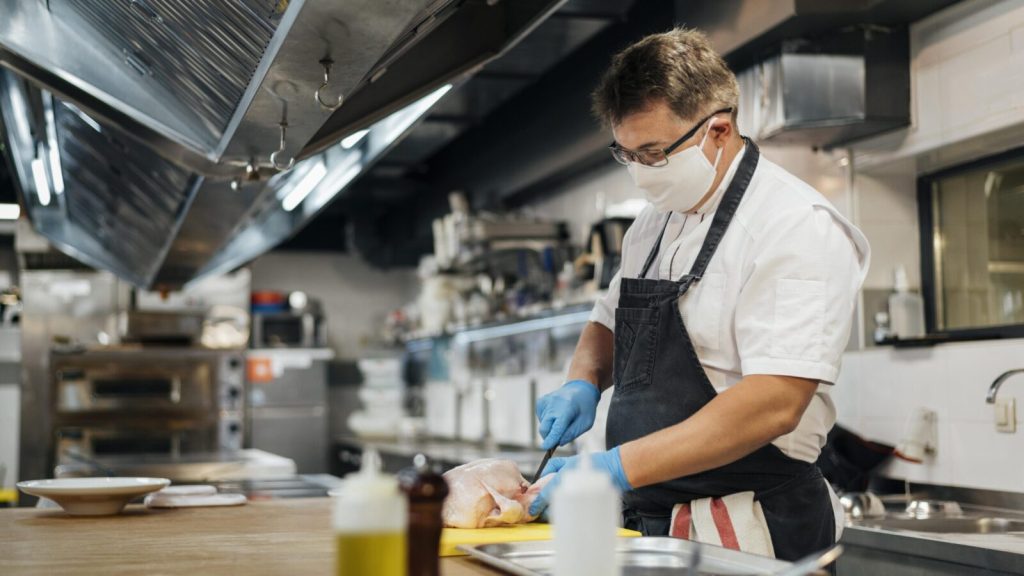
Essential PPE in the Food Industry: What You Need to Know
Overwhelmed by PPE options for food safety? Master your PPE selection for food workers safety with these practical tips.


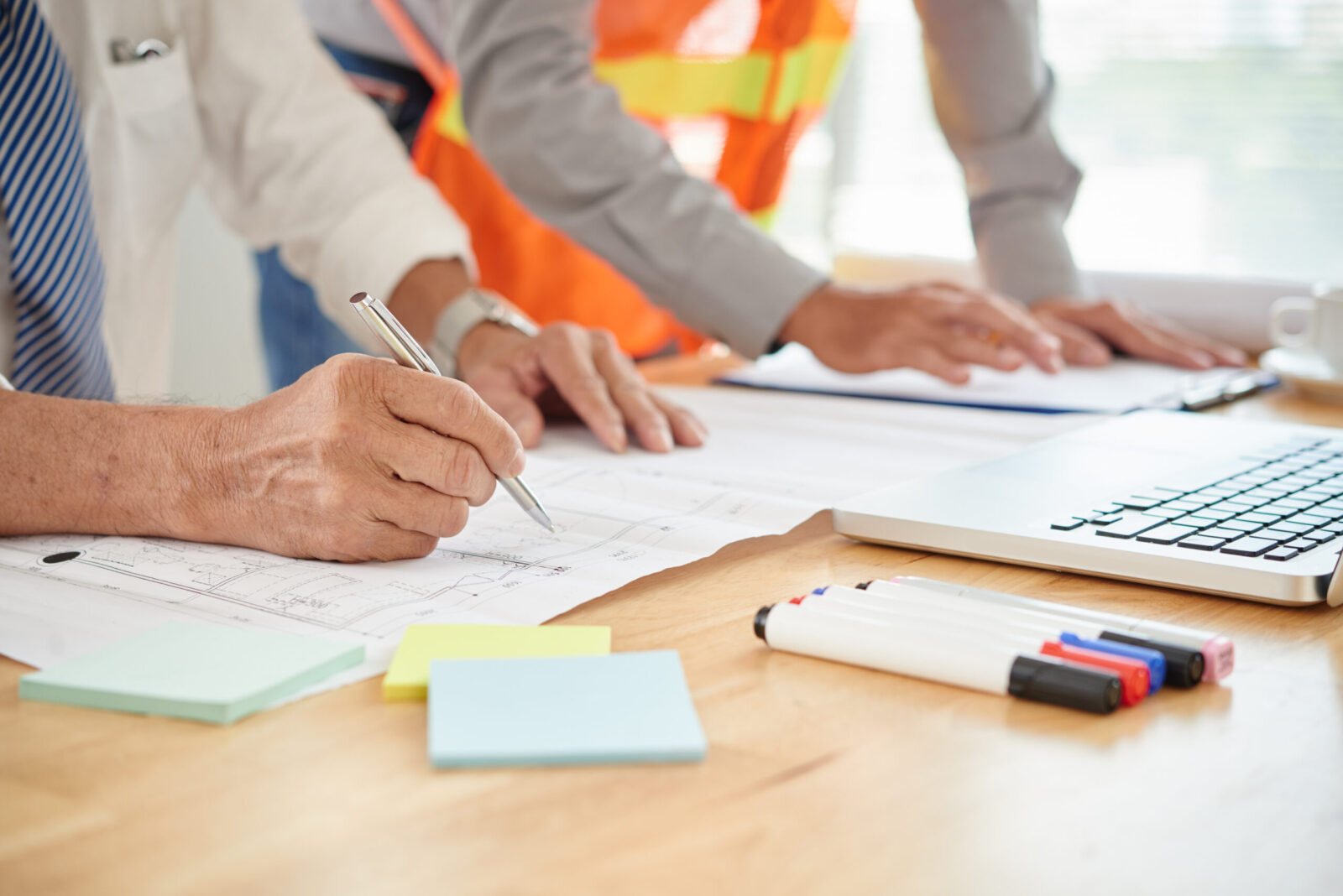














In the high-risk construction profession, safety must always come first. Falls, heavy machinery, electrical risks, and flying debris are regular hazards for workers. The Bureau of Labour Statistics reported that over half of fatal workplace falls, slips, and trips in 2021 happened in construction. Safety standards must be followed by workers and supervisors to reduce these dangers. To maintain a safer workplace, everyone on the job site should observe these 10 construction safety regulations.
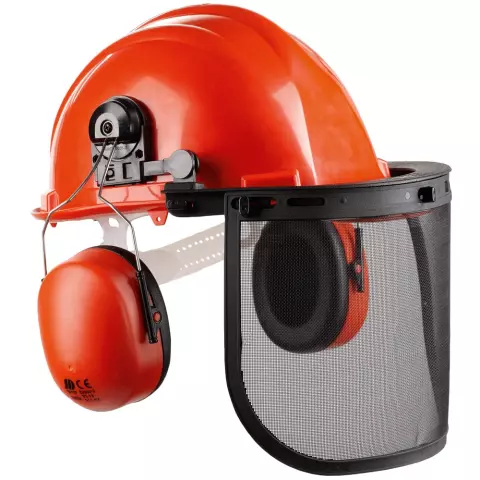
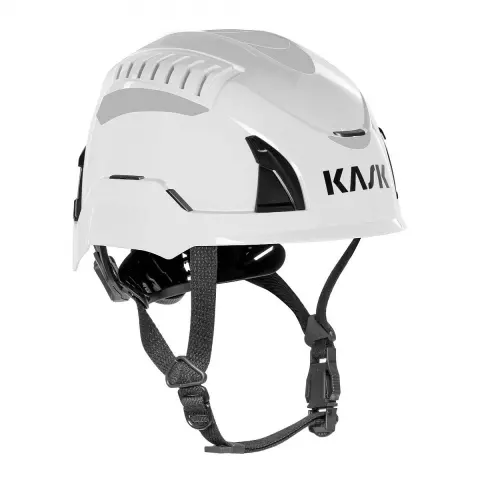
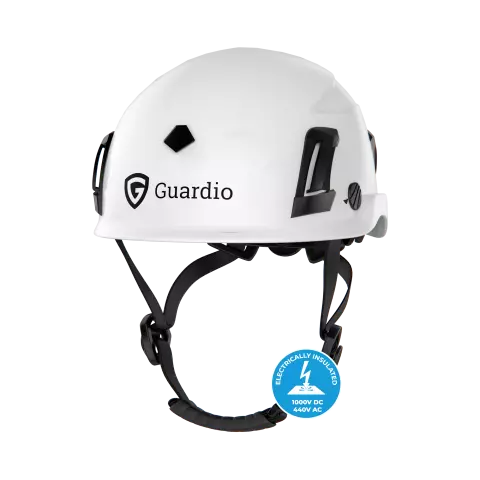
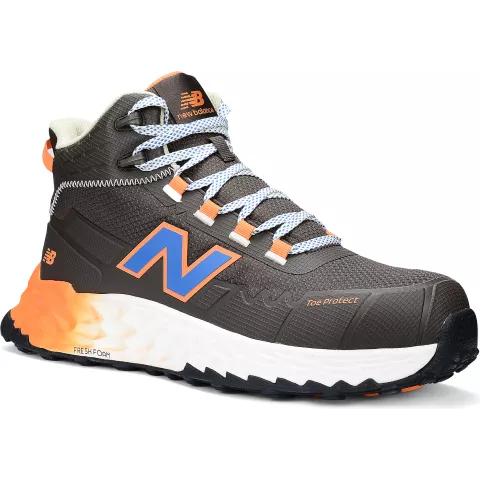
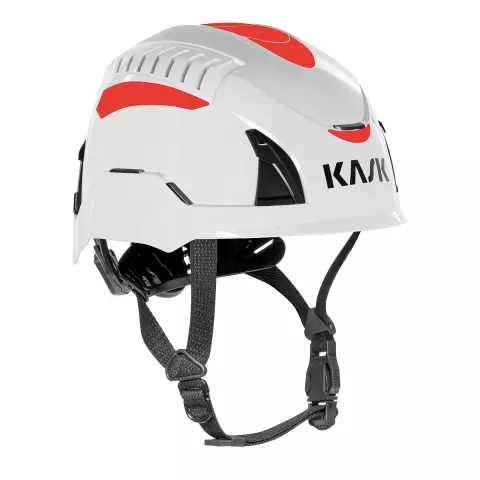
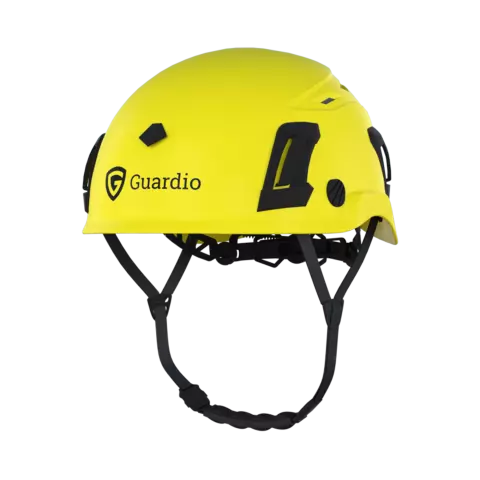
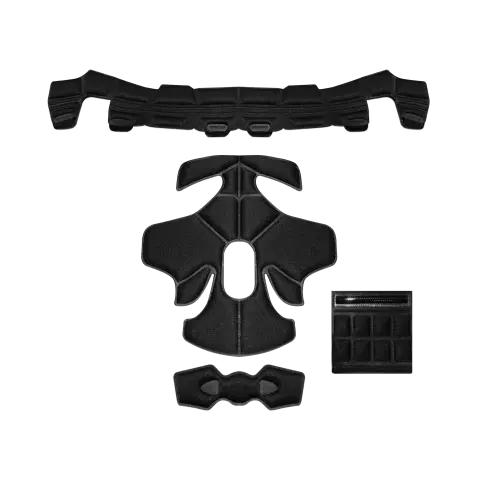
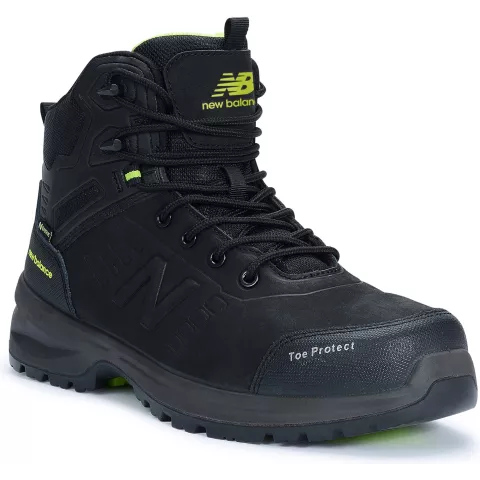
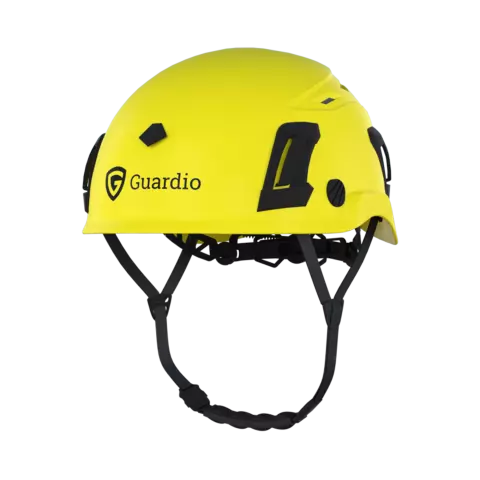
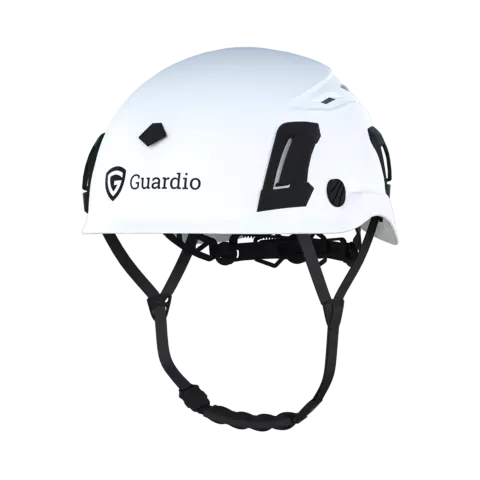
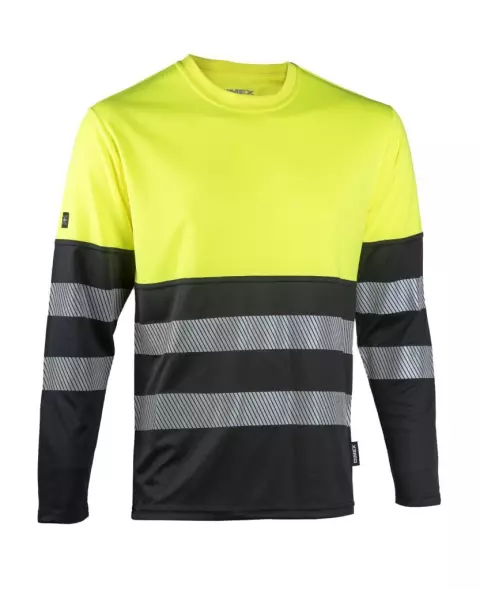
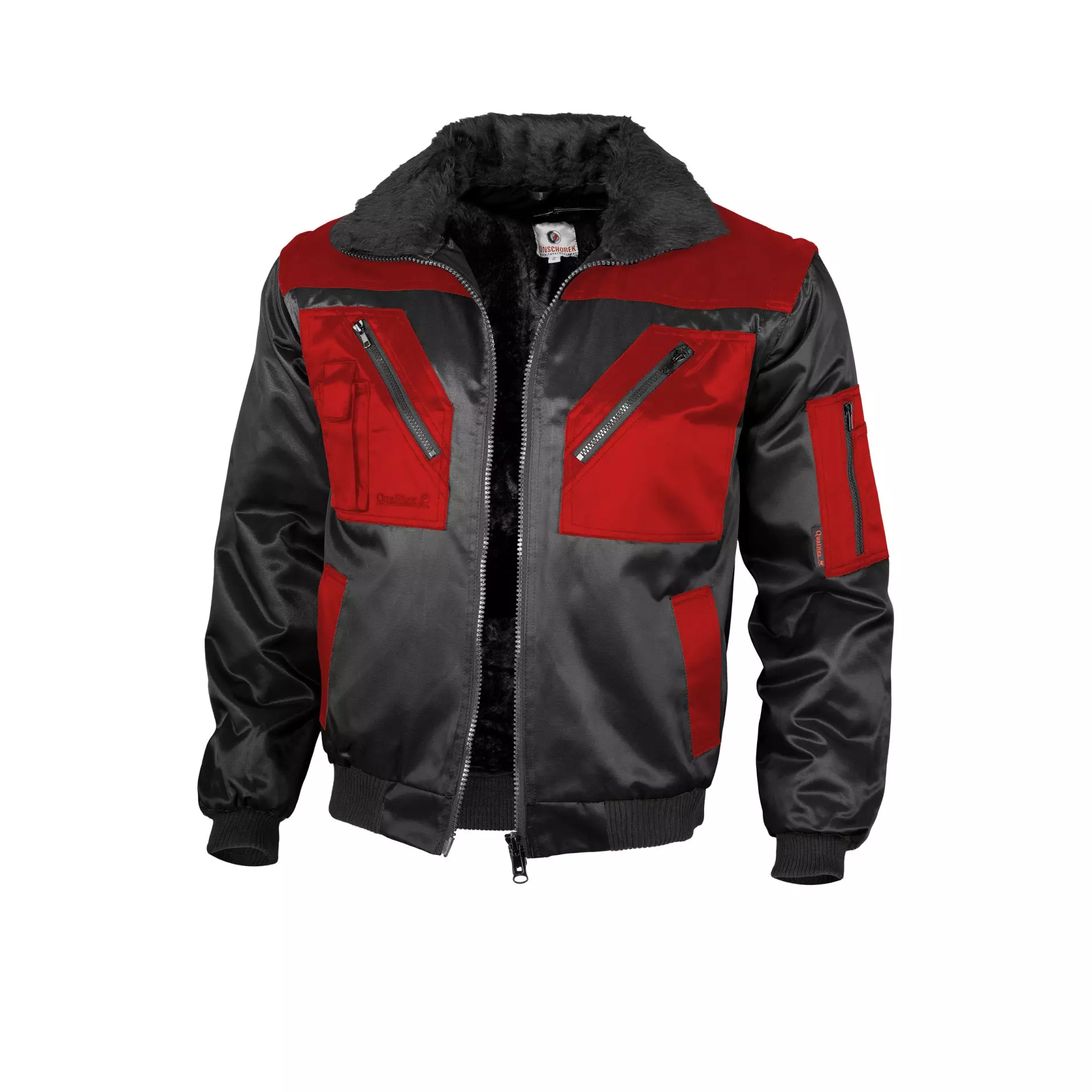
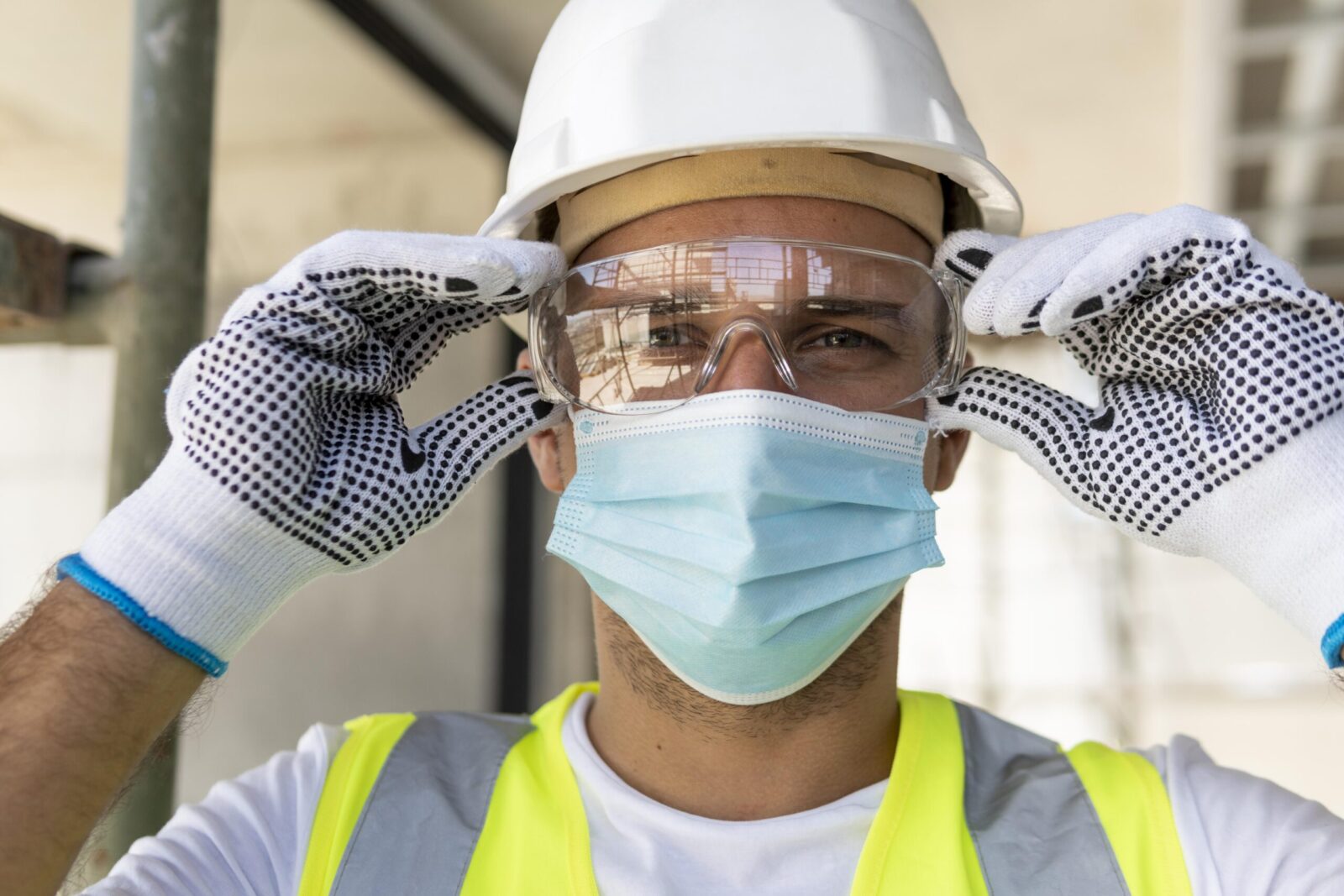
Construction workers’ safety gear is their first defence. This arrangement protects you against moving items, collapsing tunnels, electrical systems, and flying materials during work. Construction workers must wear PPE to fulfil OSHA guidelines. Helmets, gloves, safety boots, and high-visibility vests reduce construction dangers.
/package
/piece

/pair

/piece

/pair

/piece

/pair

/piece

/pair

/piece

/pair

/package

/pair
/piece
/pair
/piece

/pair

/package

/pair
/piece

/pair

/piece

/pair

/package

/pair
/piece

/pair

/piece

/pair

/piece

/pair

/package
/pair

/package

/pair
/piece

/pair

/package
/pair

/package

/pair

/piece

/pair

/piece

/pair
/piece

/pair

/piece

/pair

/package

/pair

/piece
/piece
/piece

/pair
/piece

/pair

/piece

/pair

/pair

/pair

/pair

/pair
/pair
/pair

/pair

/pair

/pair

/pair
/pair
/pair

/pair
/package

/pair
For instance, your PPE may protect your eyes from airborne particles. There are also earmuffs to protect your ears from construction noise. You must utilise your PPE appropriately since each part has a role.
Each construction site has its unique dangers, thus inductions are required. This informs site workers of potential hazards. Understanding which building site sites are unsafe and how to prevent injury begins with the induction. Avoid open excavations and overhanging electrical risks.
Remember emergency exits and safety equipment during induction. To explain dangers or safety information, ask questions. Take time to learn the site layout after induction. This can help you determine evacuation routes and safe exits for catastrophic incidents.
Cleanliness on the work site reduces accidents. A minor liquid spill might trigger a slip and fall. Keep your tools and equipment organised at all times. If no one is appointed to clean up, take care of your tools. Remember to remind coworkers to tidy their spaces too.
In addition to everyday cleaning and organisation, waste management is crucial to safety. Badly kept garbage might make you sick when working on-site.
Workplace safety should be a habit. Be emotionally and physically prepared every day with a ‘safety-first’ mindset and proactive attitude to minimise dangers and prioritise safety. Report any unexpected danger in your region. Ask your boss to tell coworkers about the hazards and maybe create a new management strategy.
Safety signs on construction sites have a purpose. Do not ignore them—they prevent accidents. In most cases, these indications are easily apparent from afar.
For instance, red restriction signs indicate what you cannot do in that location. Mandatory signs (typically blue) advise you what safety precautions you must take on site, such as wearing a helmet in construction zones. Yellow caution signs warn of deep excavations, high voltage fences, and overhead construction.
If you’re unfamiliar with the indicators, contact your supervisor for guidance.
It’s easy to notice construction site hazards. Workers are kept out by barricades, warning tape, and signage. These instantly prohibit crossing without authorisation or safety gear.
Demolition sites, building sites, and heavy machinery regions are dangerous. Make sure you know where these spots are so you don’t stroll into one during the workday.
Report any changes in your area or working environment, no matter how little. Record any unusually moist ground. If a barrier seems broken in a dangerous zone, report it. It’s crucial to act quickly so the relevant personnel can investigate and address the problem.
You must also know how to maintain reporting processes. This may involve writing incident reports, making normal calls, or using a digital reporting system. This way, you may be proactive and avoid thinking someone else will report.
Construction machines and equipment provide another risk. Machine abuse and construction equipment tampering can cause catastrophic harm. Even if you know the machine, wrong use might be dangerous.
Most equipment has bypass safety mechanisms like automatic shut-off and guards that should never be deactivated. Make sure none of these characteristics have been changed or modified before using the equipment. To properly shut down the device, follow lockout/tagout protocols after use.
Apart from machinery, you must utilise tools appropriately. It’s about being efficient and productive at work and preventing injuries that might injure you or your coworkers. Before using tools, check their condition. Remember that a broken tool increases accident risk and lowers job quality.
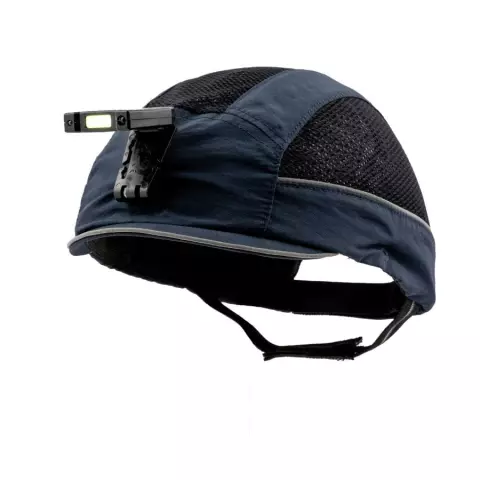
To be well-equipped, you must also comprehend work needs. To start the tool, you must determine its power supply. To protect your head from falling debris, you may require specialised helmets and gear. After finishing your work, check for equipment wear and tear, document it, and put it back where it belongs.
/pair
/pair
/pair
/pair
/pair
/pair
/pair
/pair
/pair
/pair
/pair
/pair
/pair
/pair
/pair
/pair
/pair
/pair
/pair
/pair
/pair
/pair
/pair
/pair
/pair
/piece
/pair
/pair
/pair
/pair
/pair
/pair
/pair
/pair
/pair
/pair
/pair
/pair
/pair
/pair
/pair
/pair
/package
/pair
On a building site, mistakes are unacceptable. If you need clarification, refreshers, updates, operating standards, etc., ask a safety officer or your supervisor. It may also important who you pose certain questions to.
distinct personnel have distinct knowledge, authority, and project duties. Share an equipment issue with a coworker, but they may not be able to fix it because it’s outside their job. In situations, it may be advisable to contact the closest coworker rather than the supervisor to save time and resolve the issue quickly.
Sharing responsibility for building site safety needs ongoing monitoring, effective training, and safety standards. Following these safety rules—from wearing the right PPE and keeping the site clean to reporting concerns and avoiding problematic areas—can greatly minimise the likelihood of accidents and make your workplace safer. Always prioritise safety and seek help when in doubt to avert workplace dangers.








Overwhelmed by PPE options for food safety? Master your PPE selection for food workers safety with these practical tips.

Struggling to maintain clear vision in demanding environments? This guide is here to help. By the end, you’ll know exactly...
Electricians across Europe face unique challenges that require reliable safety glasses to ensure both protection and efficiency. Whether safeguarding against...
Overwhelmed by PPE options for food safety? Master your PPE selection for food workers safety with these practical tips.
Struggling to maintain clear vision in demanding environments? This guide is here to help. By the end, you’ll know exactly...
Electricians across Europe face unique challenges that require reliable safety glasses to ensure both protection and efficiency. Whether safeguarding against...
Get 10€ off on your first order!
Save 30% by buying directly from brands, and get an extra 10€ off orders over €100
Save 30% by buying directly form brands, and get an extra 10€ off orders over €100