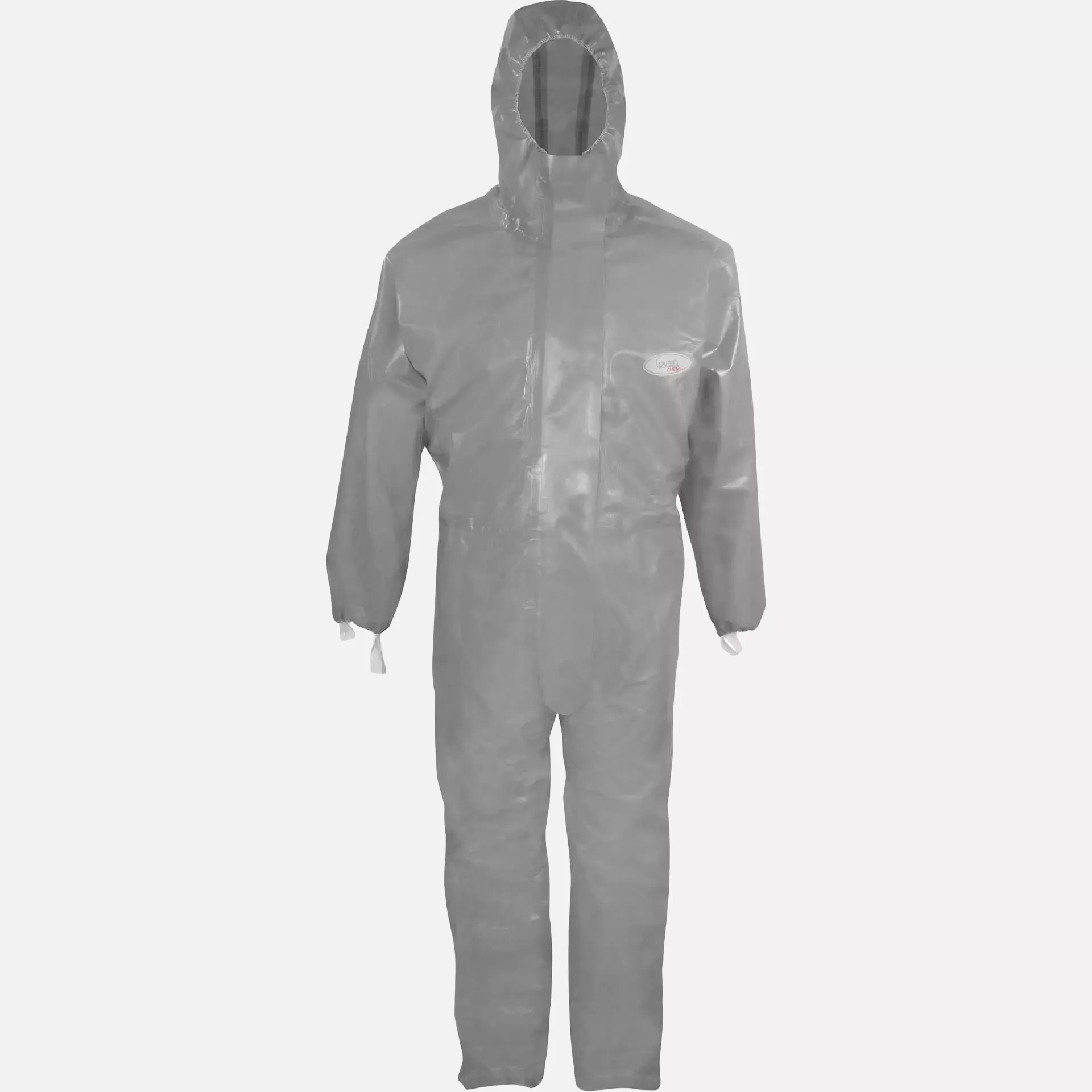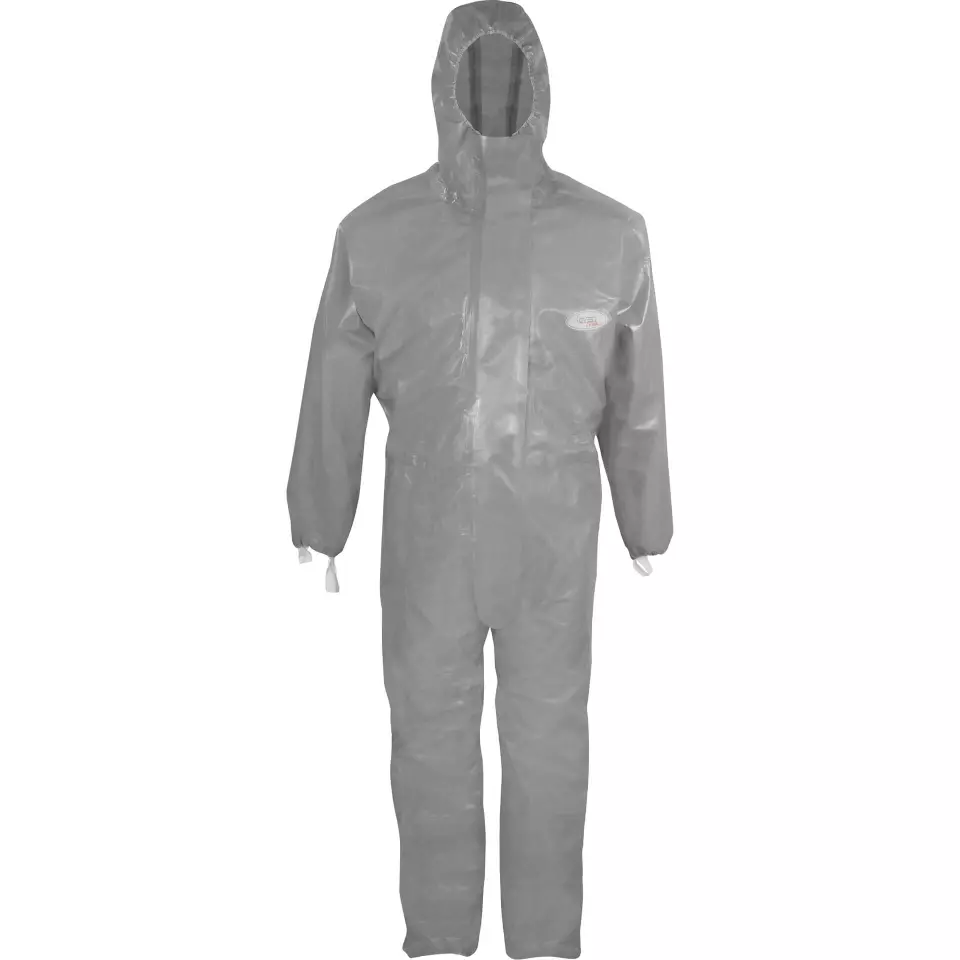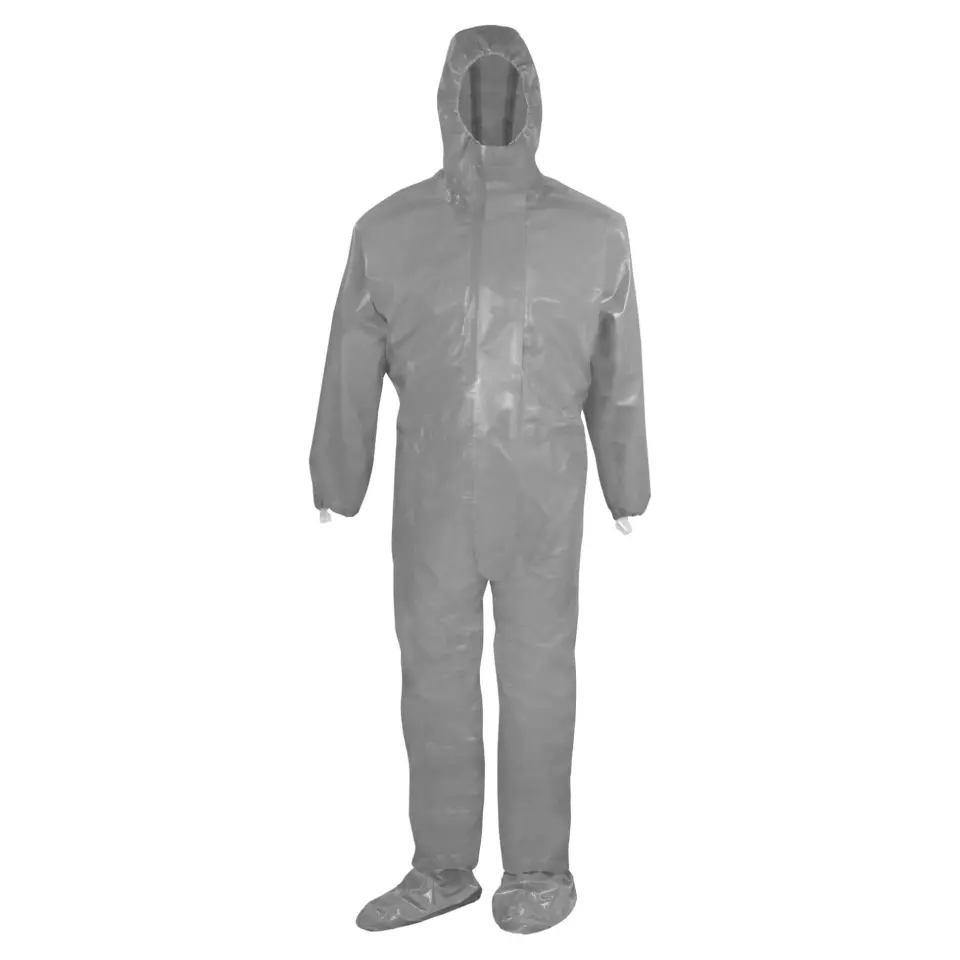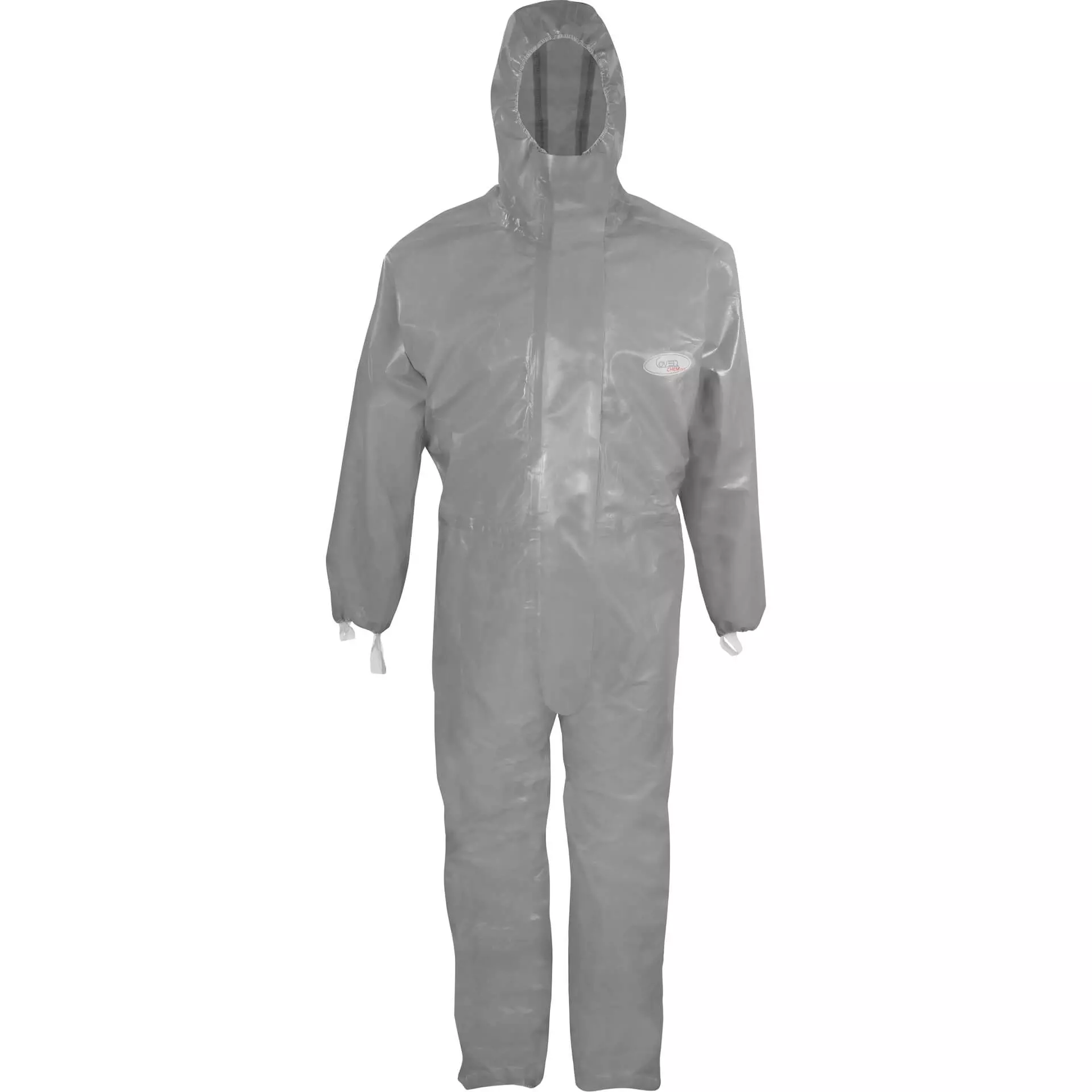
Asatex CoverChem® Plus Coverall
4.8 / 5


Features You'll Love

Overall Type · Hooded
Defines the functional design type of the overalls, such as insulated for cold weather, disposable for contamination protection, or hooded for added coverage.
53,66 €
Choose size
Shipping fee is 7,95 € for orders under 60,00 €
Product description
- Hood
- Elasticated sleeve and leg ends, hood and back area
- Maskable chin cover
- Taped seams
- Double-layer zipper cover with adhesive strips
- Thumb loops
- Antistatic finish
- Main areas of application: Handling of organic and highly concentrated inorganic chemicals and biological hazardous substances!
PP spunbond with barrier film laminate
EN ISO 13982-1:2004 A1:2010, EN 1073-2:2002, EN 13034:2005 A1:2009 Type 6, EN 1149-5:2018, EN 14605:2005 A1:2009 Type 3, EN 14126:2003 AC:2004, EN 14605:2005 A1:2009 Type 4, EN ISO 13688:2013 A1:2021, EN 14325:2004
- Hood
- Elasticated sleeve and leg ends, hood and back area
- Maskable chin cover
- Taped seams
- Double-layer zipper cover with adhesive strips
- Thumb loops
- Antistatic finish
- Main areas of application: Handling of organic and highly concentrated inorganic chemicals and biological hazardous substances!
PP spunbond with barrier film laminate
EN ISO 13982-1:2004 A1:2010, EN 1073-2:2002, EN 13034:2005 A1:2009 Type 6, EN 1149-5:2018, EN 14605:2005 A1:2009 Type 3, EN 14126:2003 AC:2004, EN 14605:2005 A1:2009 Type 4, EN ISO 13688:2013 A1:2021, EN 14325:2004
- Hood
- Elasticated sleeve and leg ends, hood and back area
- Maskable chin cover
- Taped seams
- Double-layer zipper cover with adhesive strips
- Thumb loops
- Antistatic finish
- Main areas of application: Handling of organic and highly concentrated inorganic chemicals and biological hazardous substances!
PP spunbond with barrier film laminate
EN ISO 13982-1:2004 A1:2010, EN 1073-2:2002, EN 13034:2005 A1:2009 Type 6, EN 1149-5:2018, EN 14605:2005 A1:2009 Type 3, EN 14126:2003 AC:2004, EN 14605:2005 A1:2009 Type 4, EN ISO 13688:2013 A1:2021, EN 14325:2004
Defines the functional design type of the overalls, such as insulated for cold weather, disposable for contamination protection, or hooded for added coverage.
Indicates the intended fit and sizing category, ensuring proper proportions and comfort for different body types.
The fabric or combination of fabrics used to construct the overalls, affecting durability, protection level, comfort, and suitability for specific work environments.
The exterior color of the overalls, affecting visibility, professional appearance, and compliance with workplace safety requirements.
The method used to join fabric pieces together, affecting durability, protection level, and resistance to wear and tear during demanding work conditions.
- Chemical Resistance
- Electrical Protection
Protective clothing with the EN 1149-5:2018 rating is tested for its ability to dissipate electrostatic charges. This prevents sparks that could ignite explosive atmospheres, keeping the wearer safe in hazardous environments.
Test results
This garment's material is designed to dissipate static electricity, preventing sparks that could ignite flammable or explosive atmospheres. It is intended for use as part of a total earthed system in hazardous environments like petrochemical refineries.
Protective clothing like coveralls, jackets, and aprons with the EN 14605:2005+A1:2009 rating are tested for their ability to prevent liquid chemicals from penetrating the fabric and seams under spray or jet conditions. This ensures reliable protection against hazardous chemical splashes and contact, keeping the user safe in various work environments.
Protective clothing with the EN 14325:2004 rating are tested for the physical performance of their materials, seams, and joins, including resistance to abrasion, tearing, and chemical penetration. This ensures you can compare and choose garments that provide the appropriate level of protection against various chemical hazards.
Chemical protective clothing, such as coveralls and suits, with the EN ISO 13982-1:2004/A1:2010 rating are tested for resistance to penetration by airborne solid particles and inward leakage. This ensures the clothing provides full-body protection against hazardous dusts and dry particulates, keeping you safe in environments where such particles are present.
Test results
Provides full-body protection against hazardous airborne solid particles like dust and fibres. This suit is ideal for tasks such as asbestos removal, pharmaceutical manufacturing, or any work in environments with fine, dry particulates.
Protective clothing with the EN 1073-2:2002 rating are tested for protection against particulate radioactive contamination. This ensures the clothing effectively minimizes the inward leakage of hazardous radioactive particles to keep you safe.
Protective clothing with the EN 13034:2005+A1:2009 rating is tested for limited protection against liquid chemicals, such as light spray or splashes. This ensures the garment resists chemical penetration and repellency, allowing you to work safely with low-risk chemical exposure and remove it quickly if contaminated.
Test results
This garment offers protection against light sprays, liquid aerosols, and low-pressure, low-volume splashes of liquid chemicals. It is designed for low-risk situations where a full chemical barrier is not needed and you can act if contaminated.
Protective clothing with the EN 13688:2013/A1:2021 rating are tested for general requirements including comfort, harmlessness of materials, proper sizing, and durability. This ensures the garment is safe, fits well, won't cause irritation, and maintains its quality over time for your protection.
Protective clothing and coveralls with the EN 14126:2003 rating are tested for resistance against penetration by infective agents like bacteria, viruses, and contaminated liquids and aerosols. This means the material provides a reliable barrier, helping to protect you from biological hazards and prevent the spread of germs.
PPE stands for "personal protective equipment." PPE Category 3 refers to equipment that is complex and provide the highest level of protection such as powered respirators, SCBA, and full body suits. In Europe, PPE Category 3 must meet certain safety standards set by the European Union, which means that it must be designed and manufactured to protect the user without causing harm. Companies that make or sell PPE must prove that it meets these standards. They also must have a quality management system in place, have to be audited regularly by a notified body and have to have a technical documentation.
Free delivery when you order more than 60,00 € from Asatex
Supplier shipping fee 7,95 €
Brand minimum 90,00 €