Introduction:
Restaurant food safety involves both taste and health code compliance. Foodborne infections from health code breaches can put consumers at danger and result in fines, penalties, or closures. This article about health code violations lists the most frequent health code breaches and how to prevent them, assuring restaurants’ sanitation and safety.
What are health code violations?
Restaurant and pub health code infractions are food safety violations. Customer safety and foodborne illness prevention are the goals of these policies.
Health code breaches can range from small to major, endangering public health.
WHO enforces restaurant health codes?
The nation or location where the restaurant is located determines the health code enforcement organisation. Regular health inspections by local health officials find these infractions. Health inspectors assess the facility’s cleanliness, food handling and storage, worker hygiene, and health and safety compliance. Authorities identify and correct health code infractions to safeguard customers and the food service sector, providing safe eating experiences.
What are frequent health code violations?
Many restaurant health code breaches threaten food safety and hygiene. Common offences are:
- Poor food handling and storage
- poor sanitation
- Food storage temperature fluctuations
- inside bugs. issue with food labels
- inappropriate trash disposal
- poorly maintained ventilation systems
If a restaurant violates health codes, it may be fined or closed.
Poor food storage
One of the most common breaches is keeping perishable food at inappropriate temperatures, failing to separate raw and cooked foods to prevent cross-contamination, and failing to label and date food.
Unsanitary practices
Common offences include poor cleanliness and sanitation. This includes inadequate worker handwashing, filthy utensils and equipment, and unhygienic food preparation locations.
Temperature control
Restaurants regularly violate temperature control. Restaurants may violate municipal health rules by failing to maintain hot food temperatures or allowing cold food to reach dangerous degrees. These infractions raise foodborne illness risk by promoting bacterial growth.
Pest control
Rats and pests in restaurants are a major issue. This includes improper pest control, entrance point sealing, and waste management that attracts pests.
Ventilation
Inadequate ventilation and exhaust systems can potentially cause air pollution and lower dining room quality and safety.
10 ways restaurants may avoid health-code breaches
Restaurant owners, operators, and personnel can do these eight things to avoid health code violations, keep customers safe, and earn their confidence, regardless of location.
- Maintain surface cleanliness
- Frequently wash hands
- Food should be clean before cooking.
- Track food recalls
- List foods and best-before dates.
- Hold food at proper temp
- Not cross-contaminate
- Care for restaurant equipment
- Effective pest control
- Conduct frequent audits and inspections
1. Maintain surface cleanliness
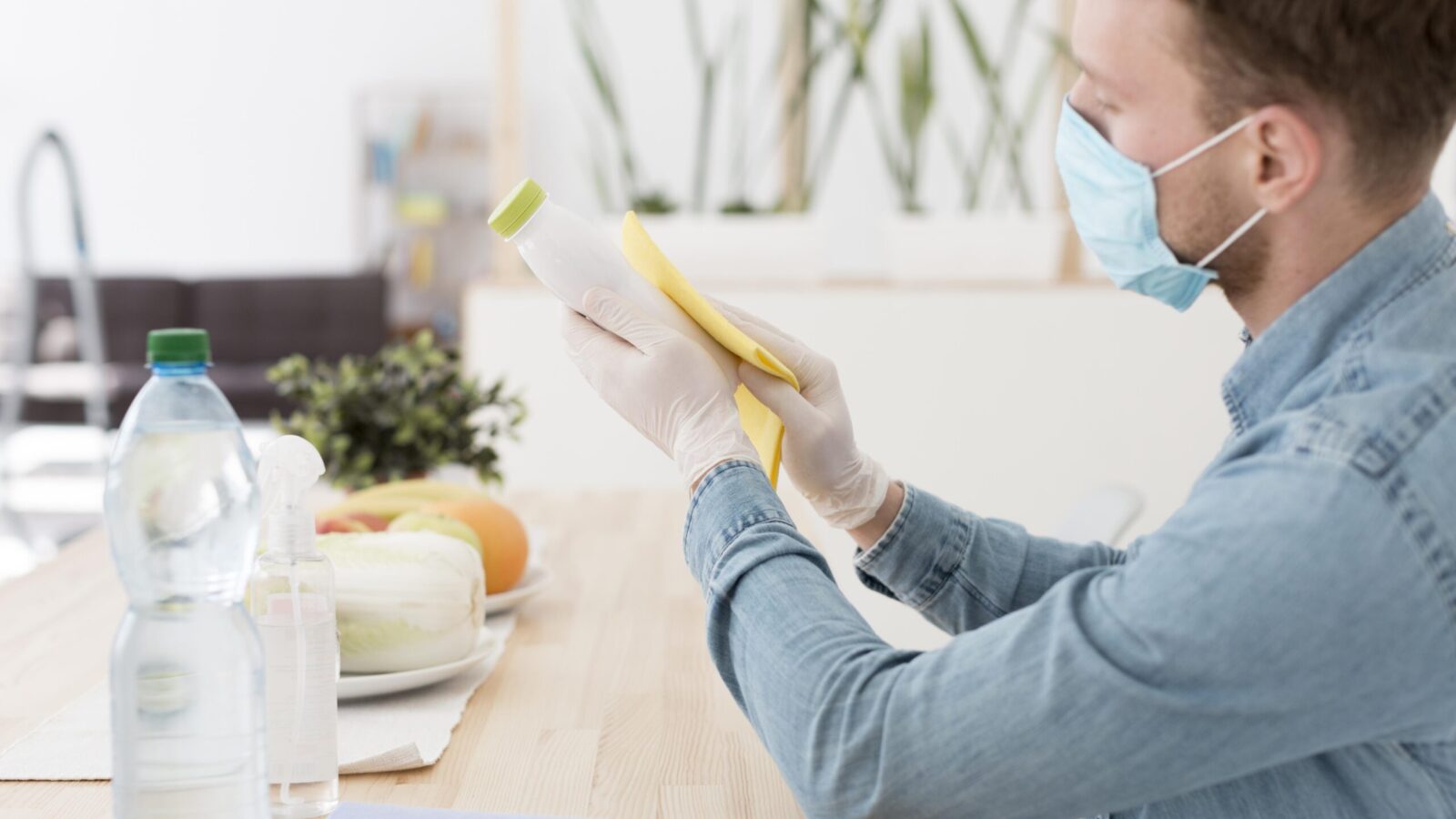
Food preparation relies heavily on your countertop and chopping boards. They are used everyday for cutting vegetables and flavouring meats. Any surface you handle food on must be cleaned before and after use.
Cleaning and sanitation
Think cleansing and sanitising. Washing all food prep surfaces removes dirt, grime, and food remains. Deep sanitising removes surface germs. This mixture should be used for any surface cleaning.
What to use to clean and sanitise surfaces? The National Restaurant Association recommends stable, non-corrosive, safe cleaning chemicals. Use heat or chlorine, iodine, or quaternary ammonium compounds on surfaces.
To make sure cleaning and sanitising happen every shift, set a plan and list of things to clean. Your staff training booklet should contain cleaning schedule and policies.
2. Frequently wash hands
The WHO advises washing hands for 20 seconds with soap before and after food prep and using alcohol-based hand sanitisers. This implies eateries with delivery services must provide hand sanitiser and use it between deliveries.
FoodSafety.gov advises washing hands in certain situations:
- Food preparation before, during, and after
- After touching raw meat, poultry, fish, or eggs (or their liquids),
- Following toilet use
- After touching trash
- Coughing or sneezing after blowing your nose
3. Clean certain foods before cooking.
Not simply surfaces and equipment need cleaning. Wash and rinse fruits, vegetables, whole grains, herbs, beans, jars, and lids before using.
Fruits and veggies
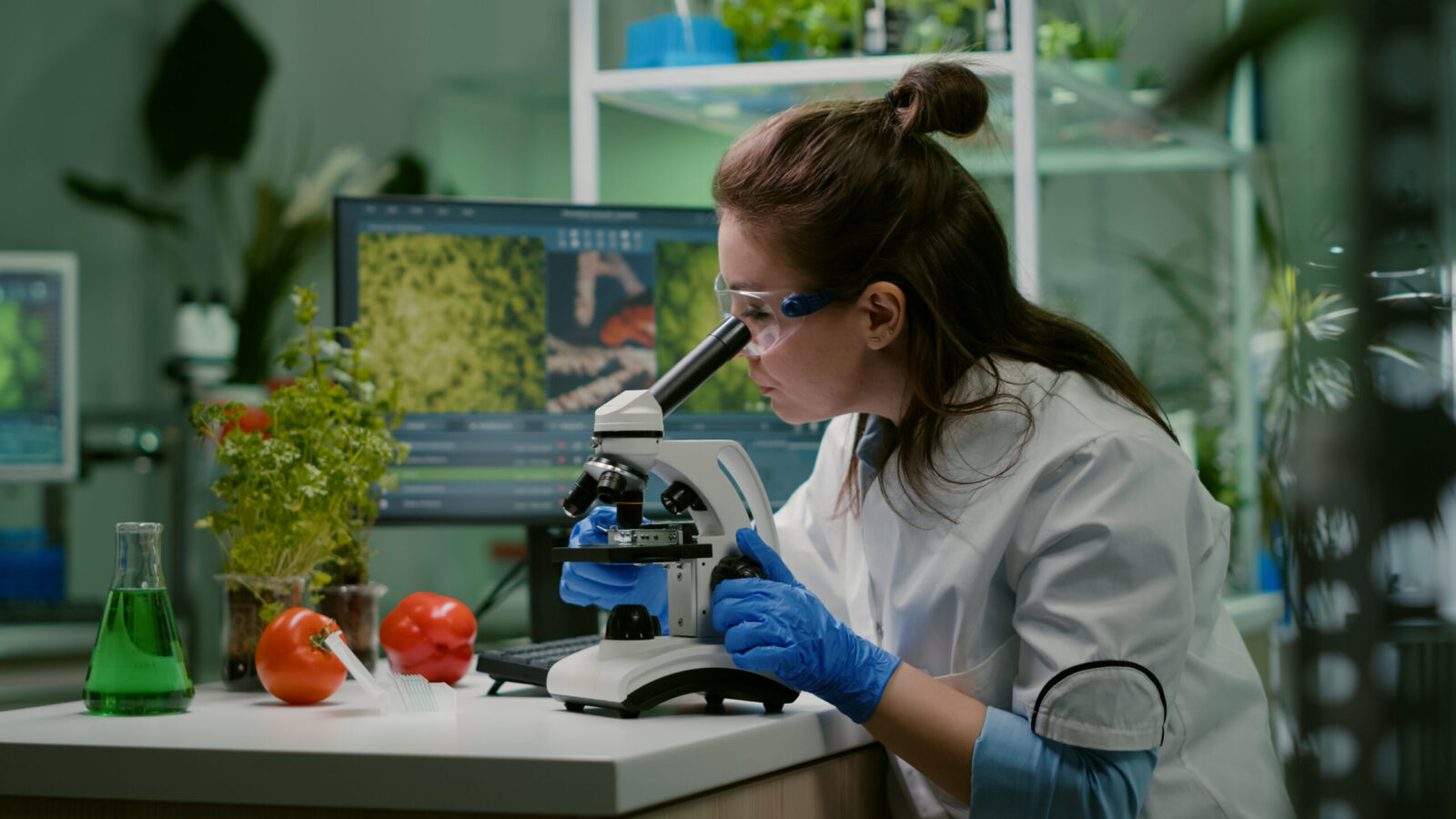
Fruits, vegetables, and herbs should be washed under cold tap water, according to the USDA. Some fruits and vegetables can be brushed to eliminate remaining dirt. Clean fruits and vegetables without detergent or soap to avoid detergent seepage into their porous surfaces. Instead, use vegetable wash, homemade water and distilled vinegar, or running water.
Beans, whole grains
To eliminate starches, debris, dirt, and bacteria from beans and whole grains, rinse with cold water.
Packaging
Rinsing jars, lids, and other plastic, glass, or metal containers with water and soap removes microorganisms from previous users.
4. Track food recalls
Keep track of food recalls that affect your supply chain to ensure your ingredients are safe to serve clients. Most of your food safety and sanitation activities are done in the kitchen.
A food or product recall occurs when a product must be pulled from sale owing to safety concerns. E-contaminated romaine lettuce was recalled numerous times from 2017 to 2020. coli outbreaks. After the recalls, stores and restaurants removed romaine lettuce or switched suppliers to ensure its safety.
US: USDA recalls
Canada: CFIA recalls
In addition to government-mandated recalls, get in touch with suppliers to receive the latest on produce concerns.
5. List foods and best-before dates.
With numerous goods flowing in and out of your kitchen, keeping track of best-before dates is crucial to not serving expired products.
Labelling substances is also vital because some may seem same. Salt and sugar are two of several foods that might be confused.
To prepare meals faster and use fresh ingredients, add following information on food labels:
- Name of food
- Quantity
- Date it reached your kitchen
- The preparation date
- Date of expiration
6. Safeguard food temperature
Foodborne disease prevention depends on temperature control. To avoid germs, raw meat, poultry, eggs, dairy, shellfish, fruits, vegetables, and cooked meals must be refrigerated at a set temperature.
The danger zone
The “danger zone” is your worst temperature control opponent.
When food temperatures are between 40°F and 140°F (4°C and 60°C), harmful germs proliferate quickly, ruining the meal. This implies you should keep cold items below 40°F or 4°C and hot, cooked meals above 140°F (60°C).
Is food in the danger zone automatically ruined? No, however time affects food danger zone longevity. Avoid leaving food out of the fridge for longer than two hours.
Proper cooking temperatures
The optimum cooking temperature depends on the food. Meat, poultry, and eggs must be cooked to a specified temperature. While the safe internal cooking temperature is same, follow your government or region’s requirements.
- US safe minimum interior temperature chart
- Safe cooking temperatures in Canada
7. Not cross-contaminate
Cross-contamination occurs when germs from one object or food contaminate another, causing foodborne diseases. Restaurant kitchens can cross-contaminate if not controlled correctly.
Handwashing
Prevention of cross-contamination requires handwashing. Washing your hands between preparation raw meats and salads prevents germ spread.
Use separate cutlery
various equipment (such sampling spoons, chopping boards, or knives) for various foods are another helpful idea.
Using green chopping boards for vegetables and fruits, blue for raw meats, and red for cooked meats helps cooks avoid cross-contamination and organise their workstation.
This also applies to allergy-free cooking. When a chef sees an order through the Kitchen Display System and the client notes an allergy, the cook may modify, use tools without that ingredient, and ensure the food is safe.
Utensil and surface sanitation
Clean and sanitise surfaces where you cooked raw meats, seafood, or dairy before and after use. Also, clean raw meat utensils separately from vegetable utensils.
Proper storage
How you keep food is almost as essential as where you cook it. If you store or thaw meat or seafood in the fridge, pollutants can spread harmful bacteria to other meals.
Place raw meats, fish, and poultry on the bottom shelves of your fridge and cooked meals, raw vegetables, and fruits higher. This prevents raw beef fluids from contaminating other components.
Training in food handling
Food safety may be taught to personnel, but official training and certification are essential.
A state or provincial food handler’s licence covers food safety subjects and training. Food handling certification helps personnel know how to maintain food safety.
8. Care for restaurant equipment
Maintaining restaurant equipment should always be a priority. Your goal should be to use equipment as long as feasible, even though it wears out from everyday usage.
Here are some preventative restaurant maintenance tips for equipment:
- Record scheduled maintenance dates.
- Schedule equipment cleaning.
- Employees should learn equipment use and maintenance.
- Consult your equipment manual or provider for product difficulties.
To get the greatest results, take care of your everyday tools!
9. Effective pest control
Sometimes pests are out of a restaurant’s control, but there are several ways to prevent them. Create a comprehensive pest management program to prevent infestations.
Program should include:
- Check for insect droppings and gnawed packaging regularly.
- Keep external spaces tidy and seal entryways
- Using expert pest control services helps fix problems quickly.
- Even without pests, do frequent inside inspections to avoid future concerns.
10. Conduct frequent audits and inspections
Maintaining food safety and avoiding health code infractions requires regular self-audits. Here are some essential steps:
- Create a food safety checklist: Include food handling, storage, cleaning, equipment maintenance, and personnel hygiene. This checklist will help self-audits avoid missing important details.
- Schedule frequent self-audits to check food safety compliance. These audits should be done weekly or quarterly, depending on restaurant size and complexity.
- Patterns: Find reoccurring faults in self-audit data. Find common offences.
- Corrective actions: Assign tasks, deadlines, and progress to personnel. To alleviate deficiencies, these steps may involve training, equipment upgrades, or pest treatment.
- Stay current: Check local health code rules, subscribe to industry publications for best practices, and get to know your local health regulatory agency.
- Food safety requires continual effort.
- Hospitality workers must prioritise client safety. Anyone in the food sector must obey food safety laws, whether it’s COVID-19 or a typical day at work.
Your daily actions should avoid health code infractions and ensure food safety. This includes taking all required efforts to maintain a tight ship!
Conclusion:
Regular inspections, training, and attention are needed to maintain food safety standards. Restaurants may prevent health code violations and provide a healthy atmosphere for customers by cleaning and sanitising surfaces, regulating food temperatures, and performing frequent audits. In the competitive food sector, food safety builds customer trust and assures long-term success.