



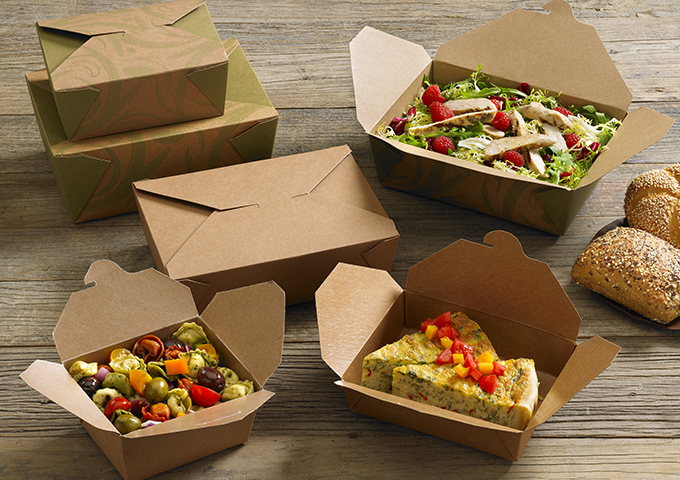
How To Select Takeaway Boxes For Hot, Cold, And Mixed-Temperature Foods
Selecting the right takeaway boxes is often a challenge for businesses handling diverse menu items, from steaming soups to chilled...


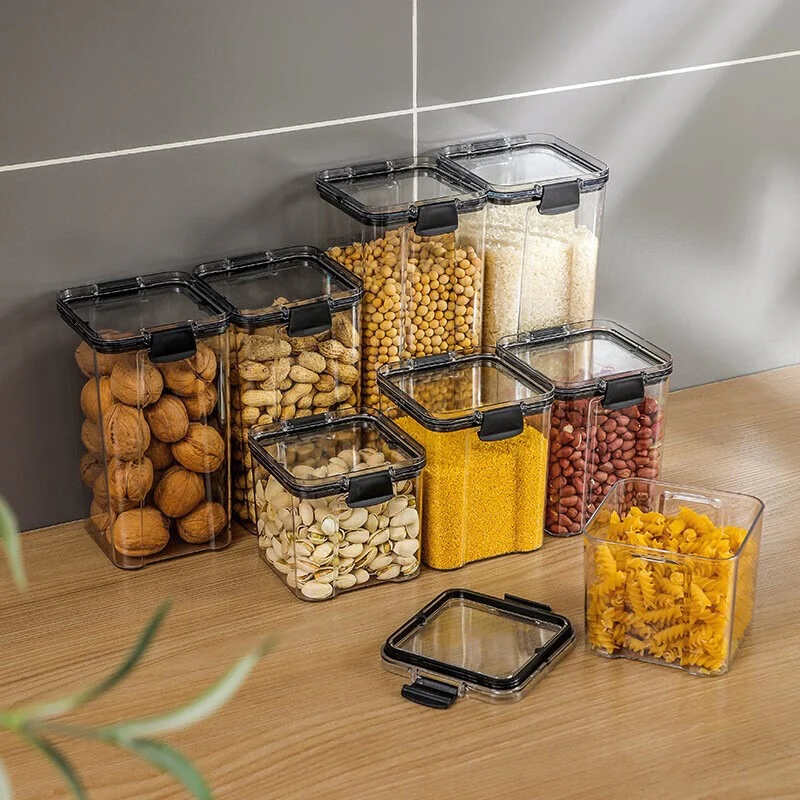
















Are you looking for the best food storage solutions for your kitchen or food service operation? In this article, we’ll help you choose the right food supplies to keep your food fresh, minimize waste, and ensure efficiency. By the end, you’ll understand how to pick the best containers for your needs, from material types to sealing options.
With our expertise, we’ll guide you through essential factors like size, temperature resistance, and sustainability. Plus, we’ll show you how to maintain long-lasting storage solutions. After solving your current storage needs, we’ll also help with your next steps, like selecting the right disposable cutlery or takeaway containers. Let’s get started!
As part of our comprehensive resource, this article is a child guide to the main article Food Service Supplies: Selecting The Right Products.
Food storage containers come in various materials, each suited to specific needs. Understanding the advantages and disadvantages of each type will help you make the right choice.
| Material | Best For | Key Features |
| Plastic | Dry goods, refrigerated items | Lightweight, affordable, BPA-free |
| Glass | High-acid foods, liquids, reheating | Durable, non-porous, microwave-safe |
| Metal | Dry storage for long-term use | Sturdy, excellent for bulk items |
| Silicone | Flexible storage, small portions | Reusable, compact, heat-resistant |
Ensure that materials meet European food safety standards, such as ISO 22000 or HACCP compliance, which are benchmarks for safe and efficient food storage practices.
Choose containers that fit your storage requirements without wasting space, and consider a mix of sizes to accommodate various types of food. For example:
Pro Tip: Use stackable containers to optimize shelf space.
Consider the storage environment. If you need to store items in freezers or ovens, ensure your containers can withstand extreme temperatures. Glass and silicone are excellent for temperature variations, while specific plastics work well in refrigeration.
Air-tight containers help maintain freshness and create a clean, safe storage environment. Look for:
Explore more about selecting air-tight solutions in our guide on Choosing the Best Food Storage Containers for Your Needs.
Transparent containers allow for easy identification of contents. Use labels for non-transparent containers to ensure quick access and accurate inventory management.
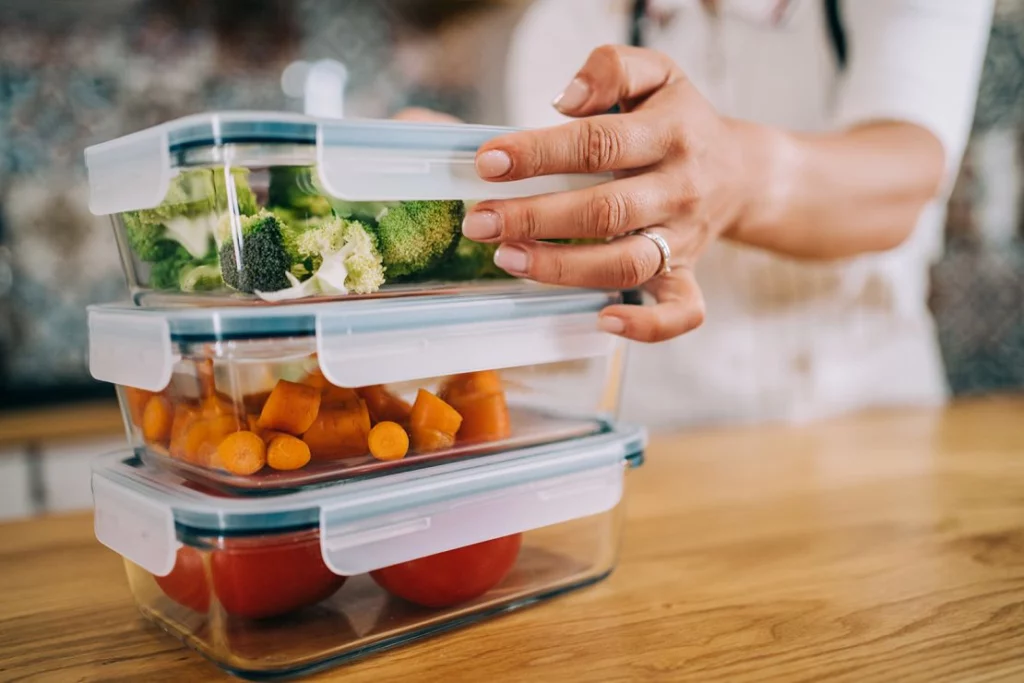
The main product category for this topic is Food Service Supplies, which includes a wide range of options like food storage containers and related products. Check the Food Service Supplies category for comprehensive solutions.
Here are some commonly used food storage solutions:
Europe’s push for sustainability emphasizes reducing single-use plastics by encouraging the use of reusable food storage solutions and recyclable alternatives. When selecting containers:
Durable food storage solutions offer reliable performance and cost efficiency over time, even with frequent use and cleaning. Choose products that can withstand repeated washing and handling. For easy maintenance:
For more specialized advice, explore these related articles:
We hope this guide has been helpful in navigating the key factors for choosing the best food storage solutions, from material types to temperature resistance. Whether you’re managing a professional kitchen or running a food service operation, we’re here to support your needs every step of the way.
Visit the Food Service Supplies category to find the best products for your needs. For further guidance, explore our main article on Food Service Supplies.
Have questions or need assistance in finding the right products? Feel free to reach out—we’re always here to help ensure you make the best choices for your food storage needs.
– The Droppe Team
Plastic is great for dry goods and refrigerated items, while glass works best for high-acid foods and liquids. Silicone is perfect for flexible storage, and metal is ideal for long-term bulk storage.
Use airtight containers with snap-lock lids or vacuum seals to prevent contamination and preserve freshness.
Yes, glass and certain BPA-free plastics are microwave-safe and perfect for reheating food.
Not all containers are freezer-friendly. Make sure to choose ones specifically designed for freezing, such as certain plastics, glass, or silicone.
Use stackable containers to maximize shelf space and choose containers that are appropriately sized for the food you’re storing.









Selecting the right takeaway boxes is often a challenge for businesses handling diverse menu items, from steaming soups to chilled...
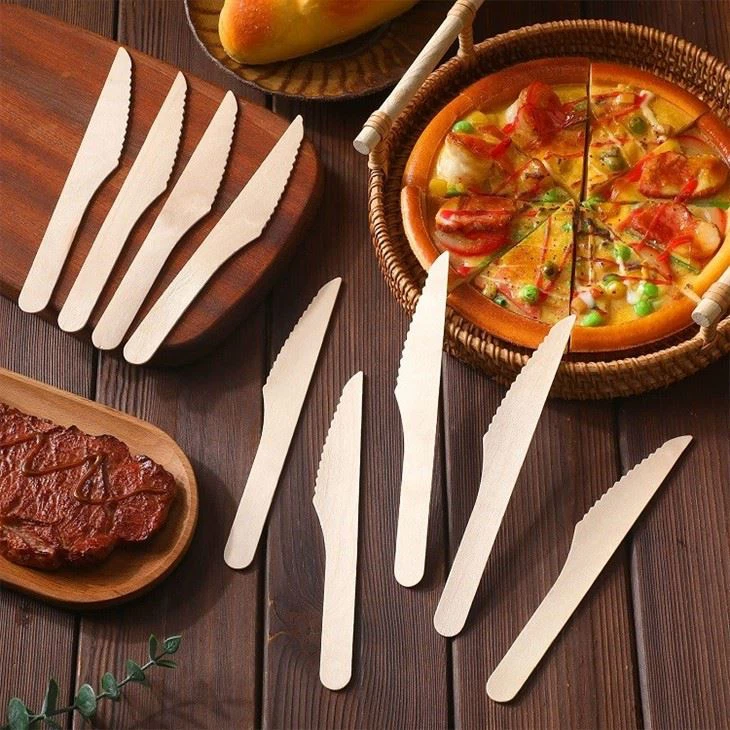
Selecting the right disposable knives is key to efficient operations and customer satisfaction. This guide offers clear, practical advice to...
Not sure whether liquid or powder dishwasher detergent is right for you? This article will help you decide by comparing...
Selecting the right takeaway boxes is often a challenge for businesses handling diverse menu items, from steaming soups to chilled...
Selecting the right disposable knives is key to efficient operations and customer satisfaction. This guide offers clear, practical advice to...
Not sure whether liquid or powder dishwasher detergent is right for you? This article will help you decide by comparing...
Get 10€ off on your first order!
Save 30% by buying directly from brands, and get an extra 10€ off orders over €100
Save 30% by buying directly form brands, and get an extra 10€ off orders over €100