




Lavoro: An In-Depth Overview – 2026
You are likely seeking footwear that balances industrial protection with biomechanical support. This guide explores whether Lavoro’s Dutch engineering approach...













You know the name from the side of excavators, but does that heavy metal heritage translate to all-day foot comfort? This analysis breaks down the technical specifications of Caterpillar footwear to help you decide if their heavy-duty approach suits your specific trade or if modern, ergonomic alternatives offer better utility.
Caterpillar Workwear represents a legacy of industrial strength that few brands can replicate. Originally born from the need to equip operators of heavy machinery, the brand has evolved into a global staple for construction and heavy industry. Their footwear is designed with the same ethos as their earthmovers: built to withstand harsh environments without failure.
While the brand is technically a licensee (manufactured by Wolverine World Wide), the engineering standards remain rigorous. They focus heavily on the “built for it” philosophy, prioritizing durability and protection over lightweight agility. For tradesmen dealing with mud, concrete, and heavy debris, this focus is often non-negotiable.
However, the heavy-duty nature of these boots means they aren’t always the best fit for indoor logistics or light assembly. If your workday involves walking 20,000 steps on warehouse concrete, you might want to explore lighter Safety Shoes that prioritize athletic cushioning over ballistic durability.
The Caterpillar story begins long before the first boot was stitched. Formed in 1925 in the USA, Caterpillar Inc. became the world’s leading manufacturer of construction and mining equipment. The move into apparel and footwear happened much later, driven by the realization that the operators of these machines lacked gear tough enough for the job site.
/package

/package
/package
/package

/package
/package
/package

/package

/package
/package

/package

/package
/piece

/pair

/package

/pair
/package
/package
/package

/package
/package
/pair

/package

/pair

/package

/package

/package
/pair

/pair
/package
/package
/piece

/package

/package

/package

/pair

/package

/package
/package

/package

/package

/package
/package
/pair

/package

/pair

/pair
/pair

/package
/pair
/pair

/package

/package
/package
In the 1990s, the brand experienced an unexpected cultural shift. The “Colorado” boot moved from the construction site to the high street, becoming a fashion icon in the UK and Europe. While this boosted brand visibility, it created a challenge: distinguishing fashion products from genuine PPE.
Today, the distinction is clear. The professional “Industrial” line is distinct from the “Lifestyle” line. The professional range leverages decades of site data to reinforce stress points, utilizing triple-stitching and vulcanized rubber outsoles that mimic the tracks of their bulldozers.
Modern Caterpillar gear moves beyond simple leather construction. To compete with European safety standards, they have integrated proprietary technologies designed to reduce the physical toll of heavy boots. Their primary design philosophy centers on “ERGO,” a system of anatomical design features intended to support natural foot movement.
“We build for the people who build the world. Our gear is tested in the dirt, not just the lab.”
The core of the Caterpillar lineup relies on full-grain leather. Unlike split leather or synthetic uppers, full-grain retains the hide’s natural fibers, offering superior water resistance and longevity. In high-wear areas, such as the toe and heel, they often employ abrasion-resistant rubber bumpers to prevent scuffs from exposing the safety cap.
For the European market, compliance is key. Most professional Cat boots meet EN ISO 20345:2011 or the newer 2022 standards. They frequently achieve S3 ratings, ensuring anti-static properties, penetration resistance, and water resistance. When browsing Safety Shoes, checking for these specific ISO ratings is essential for insurance compliance on site.
| Feature | Caterpillar Workwear | Jalas (Competitor) | Puma Workwear (Competitor) |
|---|---|---|---|
| Primary Material | Full-Grain Leather / Nubuck | Microfiber / PU-coated Leather | Safety Knit® Textile |
| Weight Range | Heavy (800g – 1.1kg per boot) | Mid-weight (600g – 800g) | Lightweight (450g – 600g) |
| Certifications | EN ISO 20345 (S3 / SB) | EN ISO 20345 (S1P / S3) | EN ISO 20345 (S1P / S3) |
| Key Innovation | SRX Slip Resistance | Poron® XRD™ Shock Absorption | idCELL Element |
| Price Positioning | Mid-Range | Premium | Mid-Range |
Caterpillar’s product range is vast, but for the professional tradesperson, it boils down to two main categories: heavy-duty boots and agile safety trainers. Understanding the intended use case for each is vital for preventing foot fatigue.
This is where Caterpillar dominates. Models like the “Holton” and “Excavator” are staples in the industry. These boots are designed for static stability and protection against heavy falling objects.
Recognizing the shift towards lighter footwear, Cat introduced the “Streamline” and “Moor” series. These look like athletic sneakers but contain internal safety caps.
While Caterpillar excels in raw durability, they are not the only players in the game. Modern work environments often demand specialized features—such as extreme shock absorption or wide fits—that other brands may handle better. Here is how the competition stacks up.
If you suffer from back pain or plantar fasciitis, Jalas is often a superior choice. Their focus is strictly on ergonomics and injury prevention. Unlike Cat’s heavy build, Jalas uses advanced synthetics to keep weight down.
Explore Jalas Safety Shoes for ergonomic solutions.
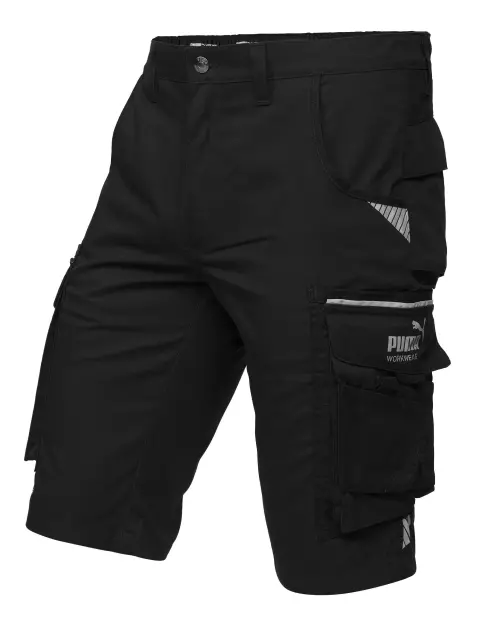
Puma translates their sports heritage directly into safety gear. If you are a warehouse operative or light industry worker, a heavy Cat boot is overkill. Puma offers the agility of a running shoe with a fiberglass cap.
View the range of Puma Workwear Safety Shoes.
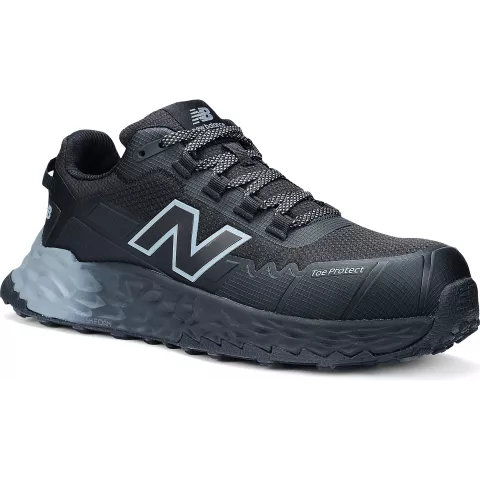
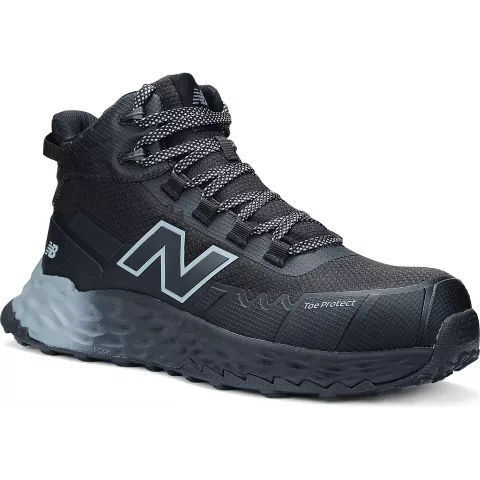
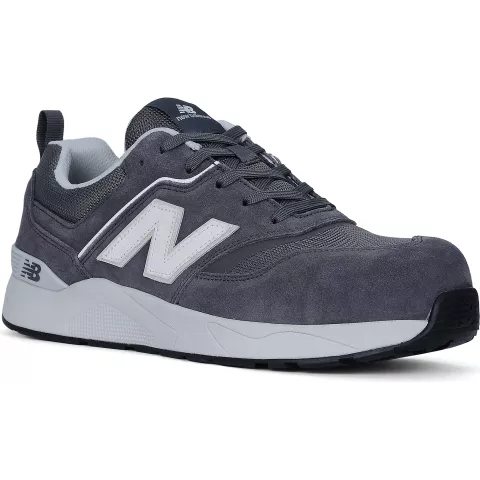
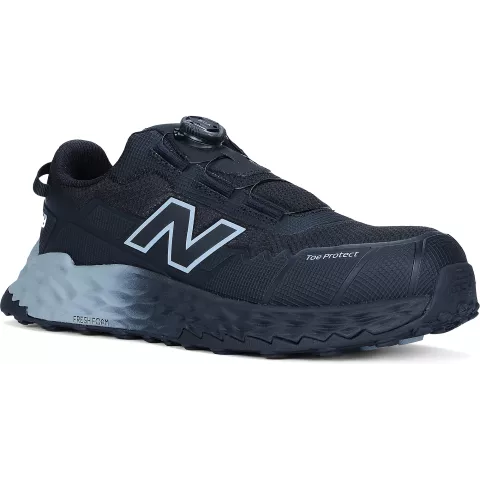
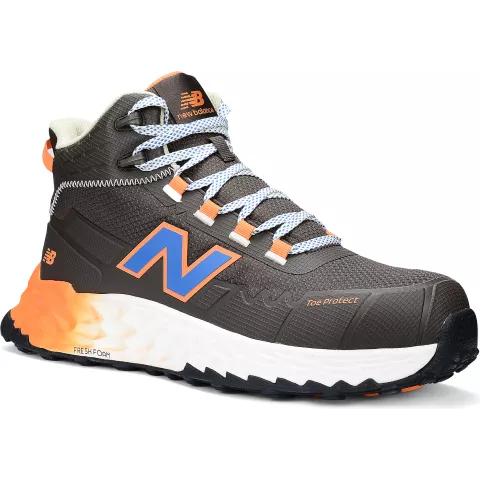
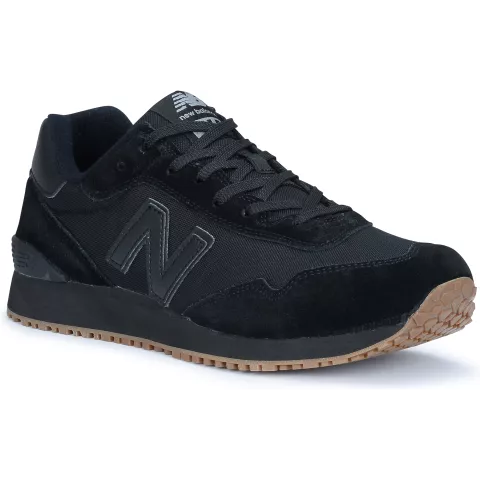
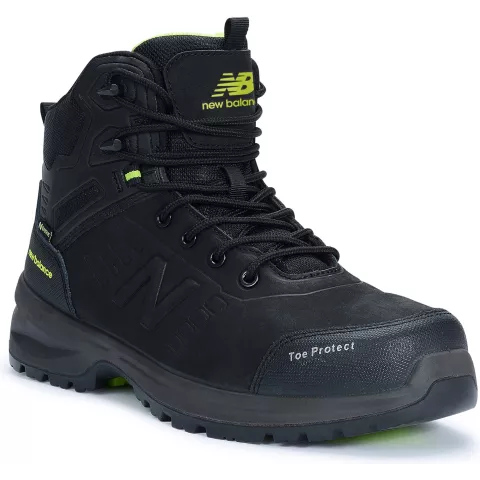
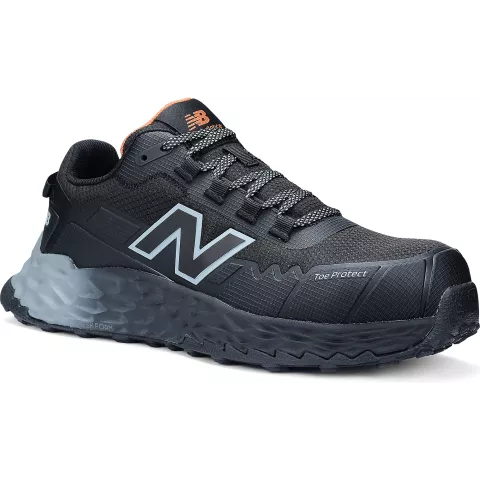
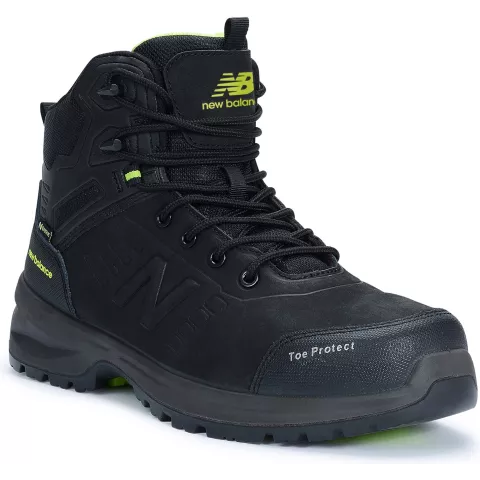
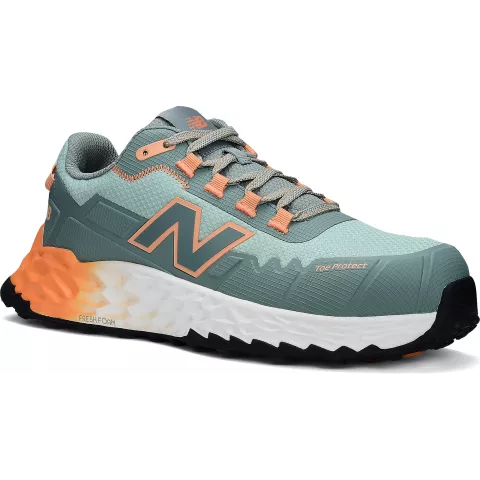
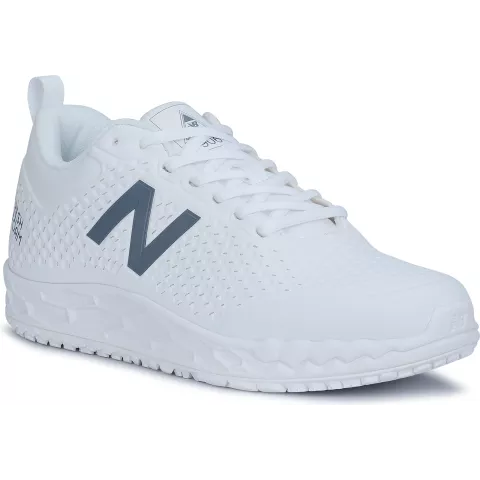
New Balance brings their orthopedic history to the worksite. They are particularly strong in offering varied width fittings, a common pain point with standard Caterpillar lasts.
Check out New Balance Safety Shoes.
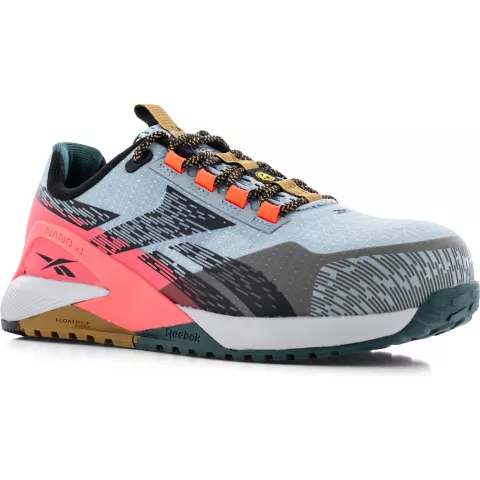
Reebok focuses on “Sublite” technology. They reduce weight by using deep flex grooves in the sole. This allows for maximum range of motion, which is crucial for jobs requiring kneeling or climbing.
Discover Reebok Work Safety Shoes.
DC brings a flat-sole skate aesthetic to workwear. This isn’t just for looks; flat soles provide maximum surface area contact, which is excellent for roofers or steel workers needing grip on flat surfaces.
See the collection of DC Work Crew Safety Shoes.
/package
/package
/package
/package
/package
/package
/package
/package
/package
/package
/package
/package
/piece
/package
/pair
/pair
/package
/package
/package
/package
/package
/pair
/package
/pair
/package
/package
/package
/pair
/pair
/package
/piece
/package
/package
/package
/package
/pair
/package
/package
/package
/package
/package
/package
/package
/pair
/package
/pair
/pair
/pair
/package
/pair
/pair
/package
/package
/package
Caterpillar Workwear remains a powerhouse for a reason. If your work involves mud, heavy machinery, and high abrasion risks, the weight and build of a Cat boot are assets, not liabilities. They offer a “buy it for life” durability that lighter sneaker-style brands struggle to match.
However, the industry is evolving. For indoor trades, logistics, and precision work, the heavy leather chassis of a Cat boot may cause unnecessary fatigue. In these cases, looking at ergonomic-focused European or athletic brands might yield better daily performance.
Caterpillar boots generally run slightly large and wide to accommodate thick work socks. Many European workers find that sizing down by a half-size provides a more secure fit, especially in their steel-toe models.
Not all models are waterproof. You must look for the specific “Waterproof” designation or an S3 safety rating, which guarantees water penetration resistance for a set period; standard leather models are water-resistant but not fully waterproof.
Steel toes are thinner and heavier, offering classic protection, while Composite (Nano) toes are lighter and do not conduct cold or heat. Both meet the same EN ISO impact safety standards, but composite is better for airport security and extreme temperatures.
Clean dirt off with a soft brush daily and apply a leather conditioner or mink oil once a month. This prevents the leather from drying out and cracking, especially at the flex point near the toes.







You are likely seeking footwear that balances industrial protection with biomechanical support. This guide explores whether Lavoro’s Dutch engineering approach...
You likely recognize Seiz from high-stakes fields like fire rescue and heavy industry, but how does their technical performance measure...
Are you comparing specialized Czech knitting with global safety brands? This analysis explores MIRO's cut and heat protection capabilities alongside...
You are likely seeking footwear that balances industrial protection with biomechanical support. This guide explores whether Lavoro’s Dutch engineering approach...
You likely recognize Seiz from high-stakes fields like fire rescue and heavy industry, but how does their technical performance measure...
Are you comparing specialized Czech knitting with global safety brands? This analysis explores MIRO's cut and heat protection capabilities alongside...
Get 10€ off on your first order!
Save 30% by buying directly from brands, and get an extra 10€ off orders over €100
Save 30% by buying directly form brands, and get an extra 10€ off orders over €100