✓ Free 30-day return ✓ Fast deliveryEurope's top brands and guidesTrusted by over 40,000 customers
Deutschland
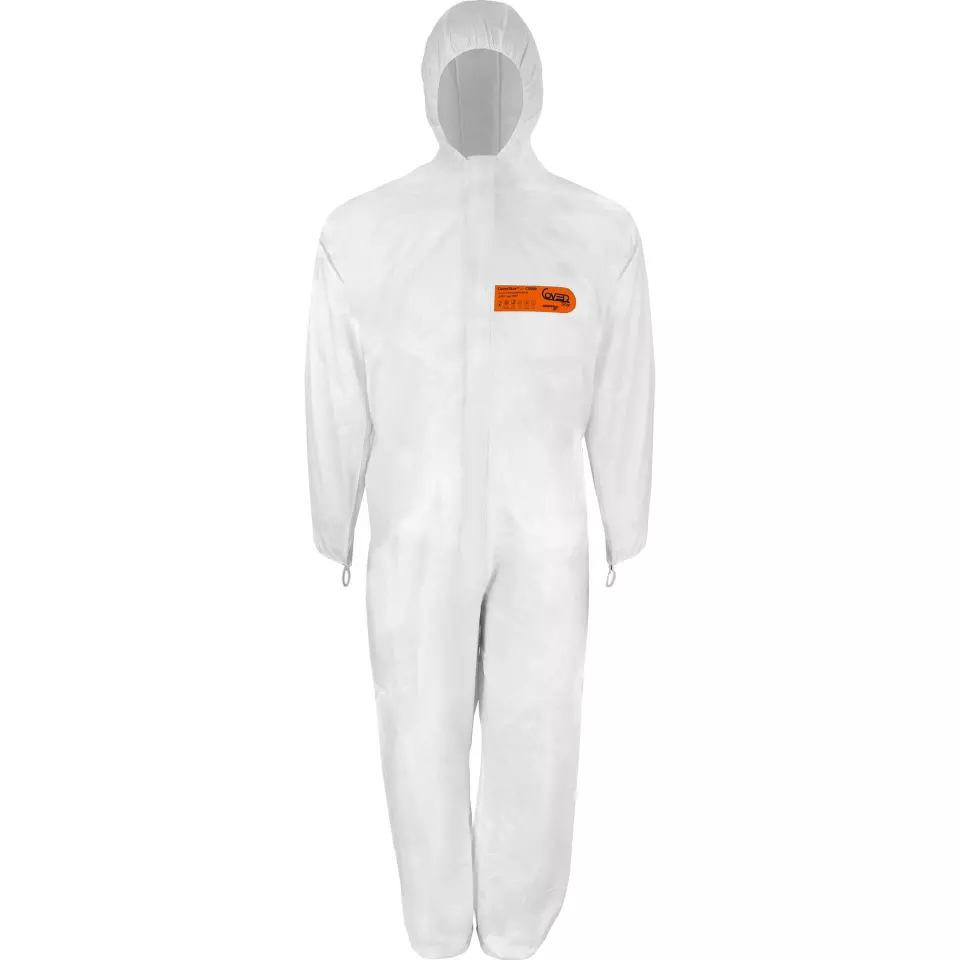
Asatex CS500, CoverStar® Asatex Protective Coverall CoverStar®

Asatex CoverStar® Asatex Protective Coverall CoverStar®

5,18 € / piece

4.9 / 5
Asatex

Asatex logo

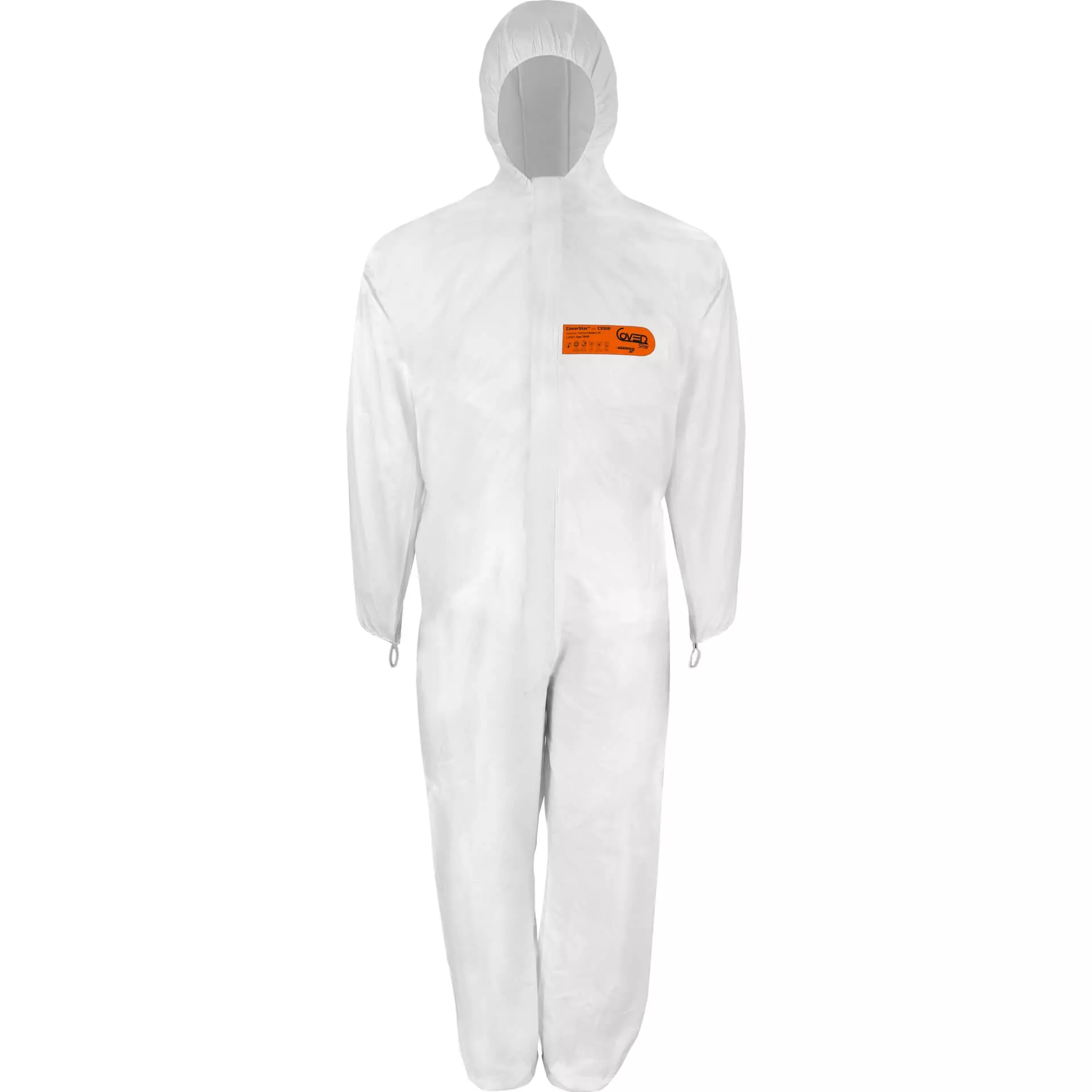
CoverStar® Protective Coverall CoverStar®, 50 pieces

Asatex

CoverStar® Protective Coverall CoverStar®, 50 pieces

Asatex logo

4.9 / 5

258,79 €

286,86 

Price per 50 packages (50 pcs)


5,18  / piece

Choose size

Free delivery

Features You'll Love

Overall Type · Hooded feature highlight

Overall Type · Hooded

Defines the functional design type of the overalls, such as insulated for cold weather, disposable for contamination protection, or hooded for added coverage.

Fit · Regular feature highlight

Fit · Regular

Determines how closely the overalls follow your body shape, affecting comfort, range of motion, and ability to layer clothing underneath.

Product description

  • 3-piece hood
  • Elastic band for optimum adjustment of the hood
  • Elasticated arms, legs and waist
  • 2-way zipper
  • Double-layer zipper cover with 3-point adhesive strip
  • Glued-in (not sewn-in) elastic in the back for increased protection
  • Optimized design for improved comfort
  • Thumb loops
  • Antistatic finish

PP spunbond with microporous film laminate

EN ISO 13688:2013, EN ISO 13982-1:2004 A1:2010, EN 1073-2:2002, EN 13034:2005 A1:2009 Type 6, EN 14126:2003 AC:2004, EN 14325:2004, EN 1149-5:2018, ISO 14644 ISO-7 ISO-8 ISO-9
  • Defines the functional design type of the overalls, such as insulated for cold weather, disposable for contamination protection, or hooded for added coverage.

  • Indicates the intended fit and sizing category, ensuring proper proportions and comfort for different body types.

  • The fabric or combination of fabrics used to construct the overalls, affecting durability, protection level, comfort, and suitability for specific work environments.

  • The exterior color of the overalls, affecting visibility, professional appearance, and compliance with workplace safety requirements.

  • Determines how closely the overalls follow your body shape, affecting comfort, range of motion, and ability to layer clothing underneath.

  • Chemical Resistance
  • Electrical Protection
  • Chemical protective clothing, like coveralls and suits, with the EN ISO 13982-1:2004 rating are tested for resistance against penetration by airborne solid particles and for robust seam integrity. This ensures the clothing provides reliable full-body protection from hazardous dusts and fine dry chemicals.

    Test results

    This full-body suit protects you from hazardous airborne solid particles like dust and fibres. It's ideal for tasks such as asbestos removal, pharmaceutical work, or any job where you are exposed to harmful dry particulates.

  • Protective clothing, such as coveralls and aprons, with the EN 13034:2005 rating are tested for limited protection against light spray, liquid aerosols, or low-volume splashes of liquid chemicals. This means the clothing provides a barrier against minor chemical exposure, allowing you time to safely remove it before chemicals penetrate.

    Test results

    Provides protection against light sprays, liquid aerosols, and low-pressure, low-volume splashes of liquid chemicals. It is intended for use in low-risk situations where a full chemical barrier is not required, such as industrial cleaning or maintenance.

  • Protective clothing with the EN 1149-5:2018 rating is tested for its ability to dissipate electrostatic charges. This prevents sparks that could ignite explosive atmospheres, keeping the wearer safe in hazardous environments.

    Test results

    This garment's material is designed to dissipate static electricity, preventing sparks that could ignite flammable or explosive atmospheres. It is intended for use as part of a total earthed system in hazardous environments like petrochemical refineries.

  • Products made with fibre-reinforced plastic composites that have the EN 14126:1999 rating are tested for their ability to withstand compressive forces. This ensures the materials used in these products are strong under pressure, providing durability and reliability for consumers.

  • Protective clothing with the EN 13688:2013 rating are tested for general requirements like ergonomics, harmlessness, accurate sizing, durability after cleaning, and clear labeling. This ensures the clothing is safe, comfortable, fits well, and provides reliable, long-lasting protection with clear user instructions.

  • Protective clothing with the EN 1073-2:2002 rating are tested for protection against particulate radioactive contamination. This ensures the clothing effectively minimizes the inward leakage of hazardous radioactive particles to keep you safe.

  • Protective clothing with the EN 14325:2004 rating are tested for the physical performance of their materials, seams, and joins, including resistance to abrasion, tearing, and chemical penetration. This ensures you can compare and choose garments that provide the appropriate level of protection against various chemical hazards.

  • PPE stands for "personal protective equipment." PPE Category 3 refers to equipment that is complex and provide the highest level of protection such as powered respirators, SCBA, and full body suits. In Europe, PPE Category 3 must meet certain safety standards set by the European Union, which means that it must be designed and manufactured to protect the user without causing harm. Companies that make or sell PPE must prove that it meets these standards. They also must have a quality management system in place, have to be audited regularly by a notified body and have to have a technical documentation.

Free delivery for all Asatex products

Other products you may like

Similar products you may like