



Kumieristyskäsineiden luokat: opas jänniteluokituksista ja suojauksesta
Oikeiden kumieristyskäsineiden valitseminen voi olla hankalaa, mutta se on olennaista turvallisuutesi kannalta. Tämä opas auttaa sinua ymmärtämään eri käsineluokat, niiden...





















Talvityö voi olla epämukavaa ja mahdollisesti vaarallista ilman asianmukaista käsien suojausta. Kylmät ympäristöt voivat johtaa haasteisiin, kuten heikentyneeseen sorminäppäryyteen ja epämukavuuteen.
Talvityökäsineet, jotka tunnetaan myös nimillä lämpökäsineet tai vuorelliset käsineet, on suunniteltu ratkaisemaan nämä ongelmat tarjoamalla lämpöä, turvallisuutta ja joustavuutta tehtäviin, kuten työkalujen käsittelyyn tai koneiden käyttöön.
Tämän oppaan lopussa sinulla on kaikki tarvittava tieto valitaksesi täydelliset, juuri sinun tarpeisiisi räätälöidyt käsineet.
Bonuksena autamme sinua tutustumaan myös muihin täydentäviin talvivarusteisiin varmistaen, että koko kylmän sään työasusi on optimoitu mukavuuden ja tehokkuuden saavuttamiseksi.
Tutustu koko talvityökäsinevalikoimaamme täältä.
Ennen kuin syvennyt taulukkoon, pohdi niitä erityisiä ympäristöjä ja tehtäviä, joihin eri käsinemateriaalit soveltuvat.
Esimerkiksi nahkakäsineet ovat erinomaisia rakentamisessa tai raskaissa tehtävissä niiden kestävyyden ja hankauksenkeston ansiosta. Synteettiset käsineet ovat ensisijainen valinta märkiin olosuhteisiin, sillä ne tarjoavat kevyttä mukavuutta ja vedenkestävyyttä, mikä tekee niistä ihanteellisia logistiikkatyöhön.
Tarkkuustehtävissä neulotut käsineet tarjoavat erinomaisen sorminäppäryyden ja mukavuuden, ja ne soveltuvat kevyempiin, yksityiskohtia vaativiin töihin.
Erittäin kylmissä ulkotöissä eristetyt kangaskäsineet erottuvat edukseen korkean lämpötehokkuutensa ansiosta.
Lopuksi, kumipinnoitetut käsineet ovat välttämättömiä maataloustöissä tai kemikaalien käsittelyssä, tarjoten sekä pitoa että kemikaalinkestävyyttä.
| Material | Best For | Key Features |
| Leather | Heavy-duty tasks, construction | Durable, abrasion-resistant |
| Synthetic | Wet conditions, logistics | Lightweight, water-resistant |
| Knitted | Precision tasks, light work | Flexible, good dexterity |
| Insulated Fabric | Extreme cold, outdoor tasks | High thermal efficiency |
| Rubber-Coated | Chemical exposure, agriculture | Chemical resistance, good grip |
Oikean parin valitseminen edellyttää työympäristön ja työtehtävien arviointia. Alla esitellyt tekijät vastaavat läheisesti yllä olevassa taulukossa lueteltuja materiaalivaihtoehtoja, auttaen sinua määrittämään, mitkä käsineet tarjoavat parhaan yhdistelmän kestävyyttä, eristystä ja suojaa erityistarpeisiisi:
Oikea istuvuus takaa maksimaalisen tehokkuuden ja mukavuuden. Mittaa kätesi ympärysmitta rystysten kohdalta ja vertaa sitä alla olevaan kokotaulukkoon:
| Size | Circumference (cm) |
| Small (S) | 18-20 |
| Medium (M) | 20-22 |
| Large (L) | 22-24 |
| Extra Large (XL) | 24-26 |
Talvityökäsineet ovat monikäyttöisiä ja palvelevat eri tarkoituksia eri toimialoilla:
Tässä on joitakin Euroopan johtavia talvityökäsineiden toimittajia:
Tutustu heidän kuvastoihinsa löytääksesi laajan valikoiman korkealaatuisia vaihtoehtoja.
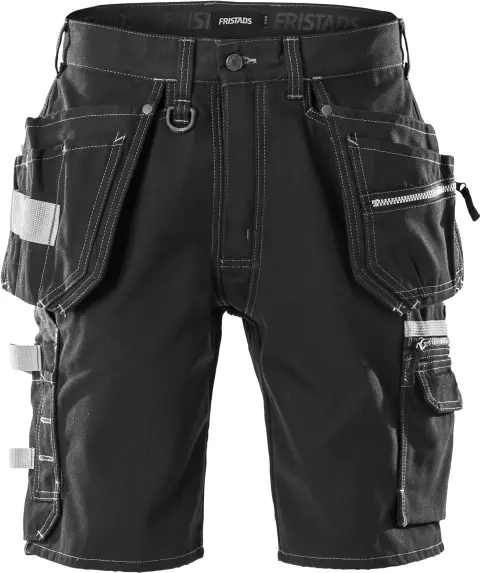
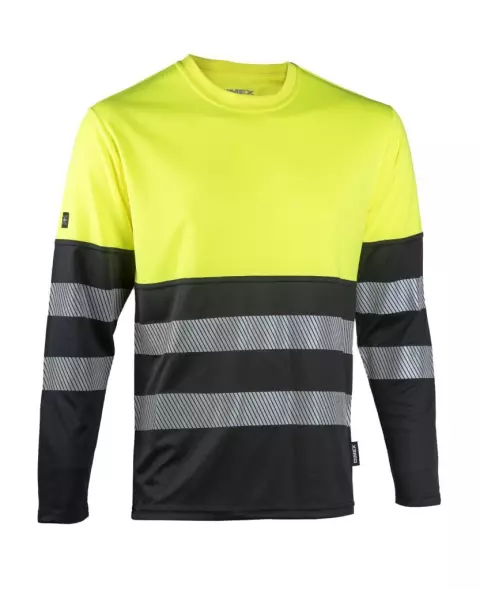
Kattavaa talvisuojausta varten harkitse talvityökäsineidesi yhdistämistä muihin välttämättömiin varusteisiin:
Lue aiheeseen liittyvät oppaamme:
Toivomme, että tämä opas on helpottanut parhaiden talvityökäsineiden valintaan liittyvien keskeisten seikkojen huomioimista, eristyksestä ja material to fit and application. Suojasitpa käsiäsi rakennusalalla, valmistuksessa tai millä tahansa muulla toimialalla, meiltä löydät luotettavat tuotemerkit kuten Helly Hansen ja Portwest.
Tutustu Droppen kattavaan talvityökäsineiden valikoimaan, jossa turvallisuus kohtaa laadun ja mukavuuden.
Onko sinulla kysyttävää tai tarvitsetko apua sopivien talvivarusteiden löytämisessä? Ota yhteyttä – olemme täällä varmistaaksemme, että olet varustautunut jokaiseen kylmän sään haasteeseen. Kun olet valmis täydentämään talvityövaatetustasi, tutustu oppaisiimme koskien takkeja, housuja ja turvakenkiä.
– The Droppe Team
Mittaa kätesi ympärysmitta rystysten kohdalta ja vertaa sitä kokotaulukkoon (Small: 18–20 cm, Medium: 20–22 cm, Large: 22–24 cm, XL: 24–26 cm).
Nahkakäsineet ovat kestäviä, mutta ne eivät ole ihanteellisia märkiin olosuhteisiin, ellei niitä ole käsitelty vedenkestäviksi. Valitse märkiin ympäristöihin synteettiset tai vedenpitävät käsineet.
Puhdista käsineet valmistajan ohjeiden mukaisesti, vältä liiallista kosteutta ja säilytä niitä kuivassa, viileässä paikassa eristyksen säilyttämiseksi.
Kyllä, monissa talvikäsineissä on kosketusnäyttöyhteensopivat sormenpäät, jotta laitteita voi käyttää ilman käsineiden riisumista.
Eristetyt käsineet toimivat hyvin useimmissa kylmissä olosuhteissa, mutta akkukäyttöisillä elementeillä varustetut lämmitettävät käsineet ovat parempia pakkasasteilla.









Oikeiden kumieristyskäsineiden valitseminen voi olla hankalaa, mutta se on olennaista turvallisuutesi kannalta. Tämä opas auttaa sinua ymmärtämään eri käsineluokat, niiden...

Oikean kaarihuomiokäsineen valinta on avainasemassa turvallisuutesi varmistamisessa korkean riskin ympäristöissä, kuten sähköhuoltotöissä tai rakennustyömailla. Tässä artikkelissa löydät kaiken tarvittavan tiedon...
Etsitkö oikeita sähköä eristäviä käsineitä turvallisuutesi varmistamiseksi? Tämä opas auttaa sinua ymmärtämään EN 60903 -standardin, jotta voit helpommin valita täydelliset...
Oikeiden kumieristyskäsineiden valitseminen voi olla hankalaa, mutta se on olennaista turvallisuutesi kannalta. Tämä opas auttaa sinua ymmärtämään eri käsineluokat, niiden...
Oikean kaarihuomiokäsineen valinta on avainasemassa turvallisuutesi varmistamisessa korkean riskin ympäristöissä, kuten sähköhuoltotöissä tai rakennustyömailla. Tässä artikkelissa löydät kaiken tarvittavan tiedon...
Etsitkö oikeita sähköä eristäviä käsineitä turvallisuutesi varmistamiseksi? Tämä opas auttaa sinua ymmärtämään EN 60903 -standardin, jotta voit helpommin valita täydelliset...
Nappaa 10 € alennus ensitilauksestasi!
Säästä 30 % ostamalla suoraan suosikkibrändeiltäsi, ja saat lisäksi 10 € alennusta yli 100 € tilauksista
Säästä 30 % ostamalla suoraan suosikkibrändeiltäsi, ja saat lisäksi 10 € alennusta yli 100 € tilauksista