Labore sind in der wissenschaftlichen, medizinischen und industriellen Forschung unverzichtbar, bringen jedoch einzigartige Risiken mit sich. Der Umgang mit Chemikalien, biologischen Arbeitsstoffen und spezialisierter Ausrüstung birgt eine Reihe von Gefahren, die jeweils spezifische Erste-Hilfe-Maßnahmen erfordern. Das Verständnis darüber, welche Erste-Hilfe-Maßnahmen bereitstehen sollten, kann das Verletzungsrisiko senken und das Laborpersonal schützen. Dieser Leitfaden soll einen klaren und detaillierten Überblick über die Erste-Hilfe-Maßnahmen geben, die am besten für Laborumgebungen in Europa geeignet sind, und folgt dabei strengen Arbeitsschutzstandards.
Laborgefahren verstehen
In Laboratorien entstehen Gefahren häufig durch den Kontakt mit:
- Chemische Substanzen: Säuren, Basen, Lösungsmittel und andere reaktive Stoffe.
- Biologische Materialien: Krankheitserreger, Blutproben und andere biogefährliche Substanzen.
- Physikalische Risiken: Feuer, scharfe Gegenstände, Fehlfunktionen von Geräten und elektrische Quellen.
Um eine schnelle und effektive Reaktion zu gewährleisten, ist es entscheidend, die Art der in einer Laborumgebung vorhandenen Gefahr zu verstehen, da jede Gefahr ihre spezifischen Erste-Hilfe-Anforderungen hat.
Identifizierung der wichtigsten Erste-Hilfe-Maßnahmen basierend auf gängigen Laborvorfällen
Laborpersonal benötigt Zugang zu grundlegenden und spezialisierten Erste-Hilfe-Artikeln, die bei Vorfällen helfen können wie:
- Verätzungen durch korrosive Substanzen
- Thermische Verbrennungen durch Hitzequellen
- Augenverletzungen durch Spritzer oder Fremdkörper
- Schnitt- und Stichwunden durch Glaswaren oder scharfe Werkzeuge
- Einatmen giftiger Dämpfe
Durch die Kategorisierung des Erste-Hilfe-Bedarfs auf der Grundlage potenzieller Verletzungen können Labore sicherstellen, dass das Personal sofortigen Zugang zu einer geeigneten Versorgung hat.
1. Erste Hilfe bei Verätzungen
Chemische Verätzungen sind in vielen Laboren ein vorrangiges Anliegen. Zu den häufigen Stoffen, die Verätzungen verursachen, gehören starke Säuren, Basen und Lösungsmittel. Eine schnelle und effektive Reaktion ist entscheidend, um tiefe Gewebeschäden zu verhindern.
Empfohlene Erste-Hilfe-Maßnahmen:
- Notfall-Augenduschen und Sicherheitsduschen: In Laboren mit hochgefährlichen Chemikalien sind diese Stationen obligatorisch; sie ermöglichen das schnelle Abspülen von Chemikalien von Haut und Augen.
- Neutralisationsmittel: Einige Labore benötigen möglicherweise spezifische Spüllösungen für verschüttete Säuren oder Basen. Es ist unerlässlich, die Sicherheitsdatenblätter (SDB) des Labors zu befolgen, um die geeigneten Neutralisationsmittel zu kennen.
- Brandwundenverbände und Kühlgele: Nach gründlichem Abspülen können Kühlgele helfen, Schmerzen zu lindern und weitere Schäden zu verhindern, während auf medizinische Hilfe gewartet wird.
Lagerung und Zugänglichkeit: Platzieren Sie Notfall-Spülstationen in leicht zugänglichen Bereichen in der Nähe von Arbeitsplätzen, um eine sofortige Reaktion zu gewährleisten.
2. Erste Hilfe bei Augenverletzungen
Augenverletzungen in Laboren können durch Chemikalienspritzer, Glaspartikel oder den Kontakt mit schädlichen Dämpfen entstehen. Aufgrund der Empfindlichkeit des Augengewebes ist eine sofortige Versorgung unerlässlich, um bleibende Schäden zu vermeiden.
Empfohlene Erste-Hilfe-Maßnahmen:
- Sterile Kochsalzlösung: Zum Ausspülen von Partikeln oder Chemikalienspritzern hilft eine sterile Kochsalzlösung, Reizstoffe auszuspülen, ohne das Auge weiter zu schädigen.
- Augenverbände: Wenn die Verletzung einen Riss oder eine Einstichwunde umfasst, legen Sie einen sterilen Augenverband an, ohne Druck auszuüben.
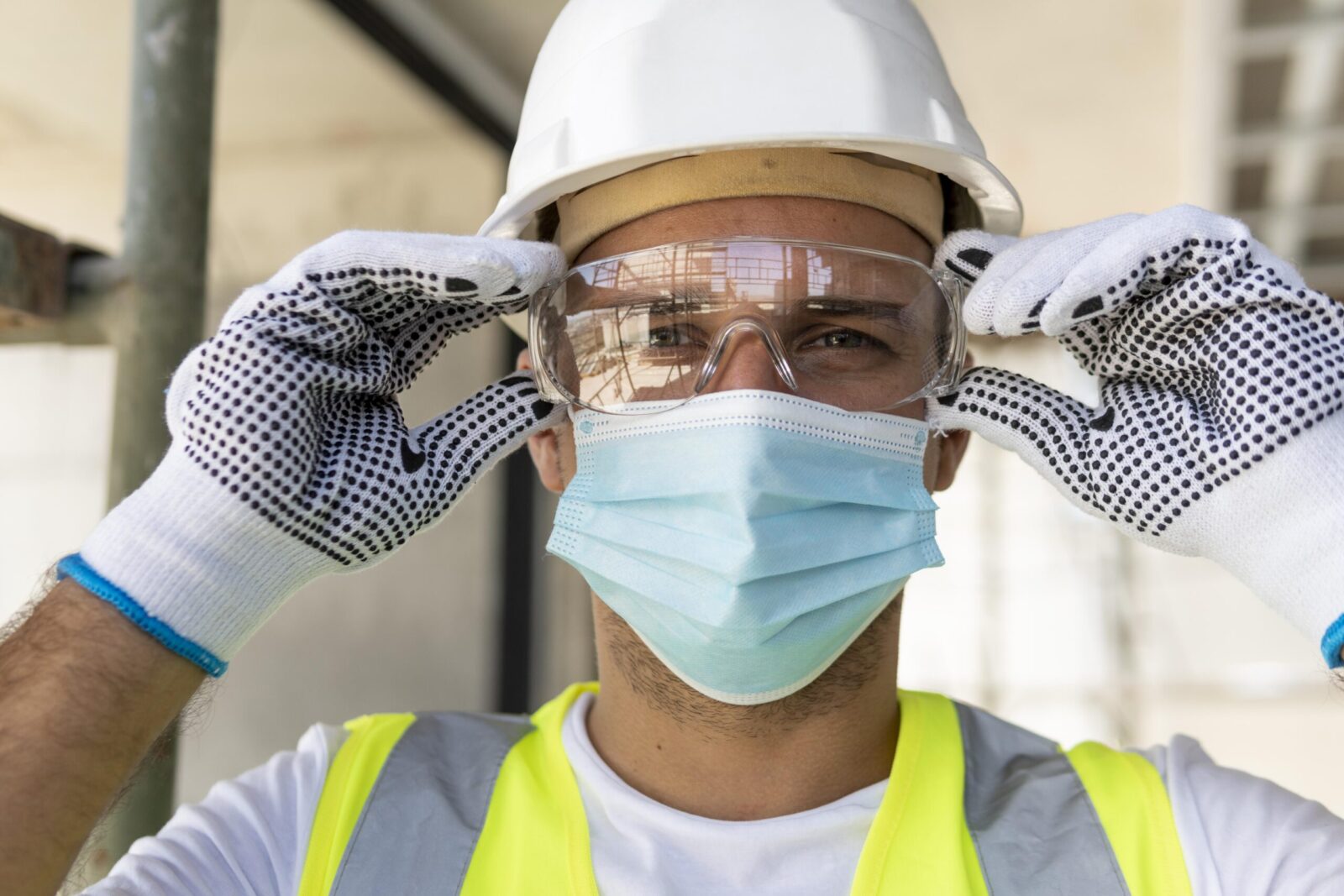
- Augenschutz: Um künftige Vorfälle zu vermeiden, sollten die Mitarbeiter eine Schutzbrille oder einen Gesichtsschutz tragen, der den mit ihren Aufgaben verbundenen Risiken entspricht.
Lagerung und Zugänglichkeit: Erste-Hilfe-Kästen sollten einen speziellen Bereich für die Augenpflege enthalten und jederzeit zugänglich sein.
3. Erste Hilfe bei Schnitt- und Risswunden
Der Umgang mit Glaswaren, Pipetten und anderen scharfen Instrumenten kann zu Schnitt- und Stichwunden führen. Eine ordnungsgemäße Wundversorgung kann Infektionen verhindern und Blutungen kontrollieren, bis professionelle medizinische Hilfe eintrifft.
Empfohlene Erste-Hilfe-Maßnahmen:
- Sterile Gaze und Bandagen: Gaze ist unerlässlich zum Abdecken und Schützen von Wunden und kann auch helfen, Blutungen bei größeren Wunden zu kontrollieren.
- Antiseptische Tücher: Die sofortige Reinigung der Wunde mit antiseptischen Tüchern kann das Infektionsrisiko minimieren.
- Heftpflaster: Bei kleineren Schnittwunden bieten Standard-Heftpflaster einen Basisschutz und helfen, den Kontakt mit Verunreinigungen zu verhindern.
Lagerung und Zugänglichkeit: Stellen Sie sicher, dass Wundversorgungsmaterialien in einem Erste-Hilfe-Kasten in Reichweite aufbewahrt werden, insbesondere in der Nähe von Arbeitsplätzen, an denen mit Glaswaren oder scharfen Werkzeugen gearbeitet wird.
4. Erste Hilfe bei Inhalation giftiger Dämpfe
Labore, die mit flüchtigen Chemikalien oder biologischen Arbeitsstoffen arbeiten, können dem Risiko von Inhalationsverletzungen ausgesetzt sein. Exposure to toxic fumes can cause respiratory distress or chemical pneumonitis, necessitating immediate response.
Empfohlene Erste-Hilfe-Maßnahmen:
- Respiratory protection: Statten Sie Labore mit Einweg-Atemschutzmasken oder Masken aus, um auf unerwartete Belastungen durch Dämpfe vorbereitet zu sein.
- Ventilation systems: Eine ordnungsgemäße Laborlüftung, einschließlich Abzügen, hilft dabei, die Risiken einer Exposition gegenüber Dämpfen zu mindern.
- Oxygen: Einige Labore benötigen möglicherweise Notfall-Sauerstoffvorräte für Fälle, in denen chemische Dämpfe die Atmung beeinträchtigen.
Lagerung und Zugänglichkeit: Atemschutzausrüstung und Abzüge sollten strategisch in Bereichen platziert werden, in denen gefährliche Dämpfe entstehen, ergänzt durch klare Nutzungsrichtlinien.
5. Erste Hilfe bei Brandgefahren
Feuer ist eine kritische Gefahr in Laboren, insbesondere in solchen, in denen mit brennbaren Chemikalien, elektrischen Geräten oder offenen Flammen gearbeitet wird. Die richtige Erste-Hilfe- und Brandbekämpfungsausrüstung ist unerlässlich, um Verletzungen zu vermeiden oder deren Schweregrad zu minimieren.
Empfohlene Erste-Hilfe-Maßnahmen:
- Fire extinguishers: Wählen Sie Feuerlöscher aus, die für die im Labor wahrscheinlichen Brandarten geeignet sind, wie z. B. Pulverlöscher oder CO₂-Löscher für Chemiebrände.
- Fire blankets: Verwenden Sie Löschdecken, um Flammen auf Kleidung oder kleine, lokal begrenzte Brände zu löschen.
- Burn dressings: Spezielle Brandwundenverbände können nach dem Löschen der Flammen angelegt werden, um Schmerzen zu lindern und Infektionen vorzubeugen.
Storage and Accessibility: Feuerlöscher, Löschdecken und Material zur Brandwundenversorgung sollten in der Nähe jedes Arbeitsbereichs positioniert und deutlich gekennzeichnet sein.
Bedeutung der Erste-Hilfe-Schulung für Laborpersonal
Das Laborpersonal sollte gut in der Ersten Hilfe für verschiedene Situationen geschult sein. Schulungsprogramme sollten Folgendes abdecken:
- Umgang mit Notfallausrüstung: Das Personal sollte wissen, wie Augenspülstationen, Notduschen und Brandschutzwerkzeuge zu bedienen sind.
- Beurteilung von Verletzungen: Schulungen zur Einschätzung des Schweregrads von Verletzungen helfen dem Personal zu verstehen, wann sofortige medizinische Hilfe in Anspruch genommen werden muss.
- Lebensrettende Basismaßnahmen (BLS): BLS-Training (lebensrettende Basismaßnahmen), einschließlich HLW, kann lebenswichtig sein, insbesondere in Laboren, in denen gefährliche Chemikalien plötzliche Atemprobleme verursachen können.
Regelmäßige Auffrischungskurse und praktische Übungen helfen dem Laborpersonal, auf jeden Notfall vorbereitet zu sein.
Einhaltung europäischer Arbeitsschutzstandards
Europäische Laborsicherheitsvorschriften, wie sie beispielsweise von der Europäischen Agentur für Sicherheit und Gesundheitsschutz am Arbeitsplatz (EU-OSHA) bereitgestellt werden, legen spezifische Anforderungen für die Erste-Hilfe-Bereitschaft in Laboren fest. Die Einhaltung dieser Standards gewährleistet:
- Properly stocked first aid kits: Jedes Labor sollte über Erste-Hilfe-Kästen verfügen, die gemäß den EU-OSHA-Richtlinien bestückt sind, einschließlich Artikeln wie sterilen Verbänden, Heftpflastern, antiseptischen Tüchern und einem Erste-Hilfe-Handbuch.
- Adequate emergency response equipment: Laboratorien müssen über Notduschen, Augenspülstationen und Belüftungssysteme verfügen, um die gesetzlichen Standards zu erfüllen.
- Periodic inspections and updates: Regelmäßige Kontrollen stellen sicher, dass die Erste-Hilfe-Ausrüstung funktionsfähig, bestückt und für die spezifischen Gefahren im Labor geeignet ist.
Die Befolgung dieser Richtlinien fördert nicht nur die Sicherheit, sondern richtet das Labor auch an den Best Practices in der gesamten Europäischen Union aus.
Conclusion
Die Auswahl der geeigneten Erste-Hilfe-Maßnahmen für Laborgefahren ist entscheidend für die Gewährleistung eines sicheren Arbeitsumfelds und die Minimierung von Risiken im Zusammenhang mit chemischen, biologischen und physikalischen Gefahren. Durch das Verständnis häufiger Laborverletzungen und die Vorbereitung spezifischer Erste-Hilfe-Maßnahmen für jede einzelne können Labore ihr Personal effektiv schützen und die Einhaltung europäischer Gesundheits- und Sicherheitsstandards gewährleisten. Jedes Labor sollte über einen klaren, zugänglichen Erste-Hilfe-Plan verfügen, der Schulungen für das Personal, gut gewartete Notfallausrüstung und die strikte Einhaltung europäischer Richtlinien umfasst.
Indem sie Sicherheit und Vorsorge priorisieren, können Labore ein sicheres Umfeld schaffen, das sowohl das Wohlbefinden ihres Personals als auch die Qualität ihrer Forschungsaktivitäten unterstützt.