✓ Free 30-day return ✓ Fast deliveryEurope's top brands and guidesTrusted by over 40,000 customers
Deutschland
Asatex XAJA130, Multi-Norm Jacket

Asatex Multi-Norm Jacket

125,38 € / piece

4.8 / 5
Asatex

Asatex logo

Multi-Norm Jacket

Asatex

Multi-Norm Jacket

Asatex logo

4.8 / 5

125,38 €

137,92 

Choose size

Free delivery

Product description

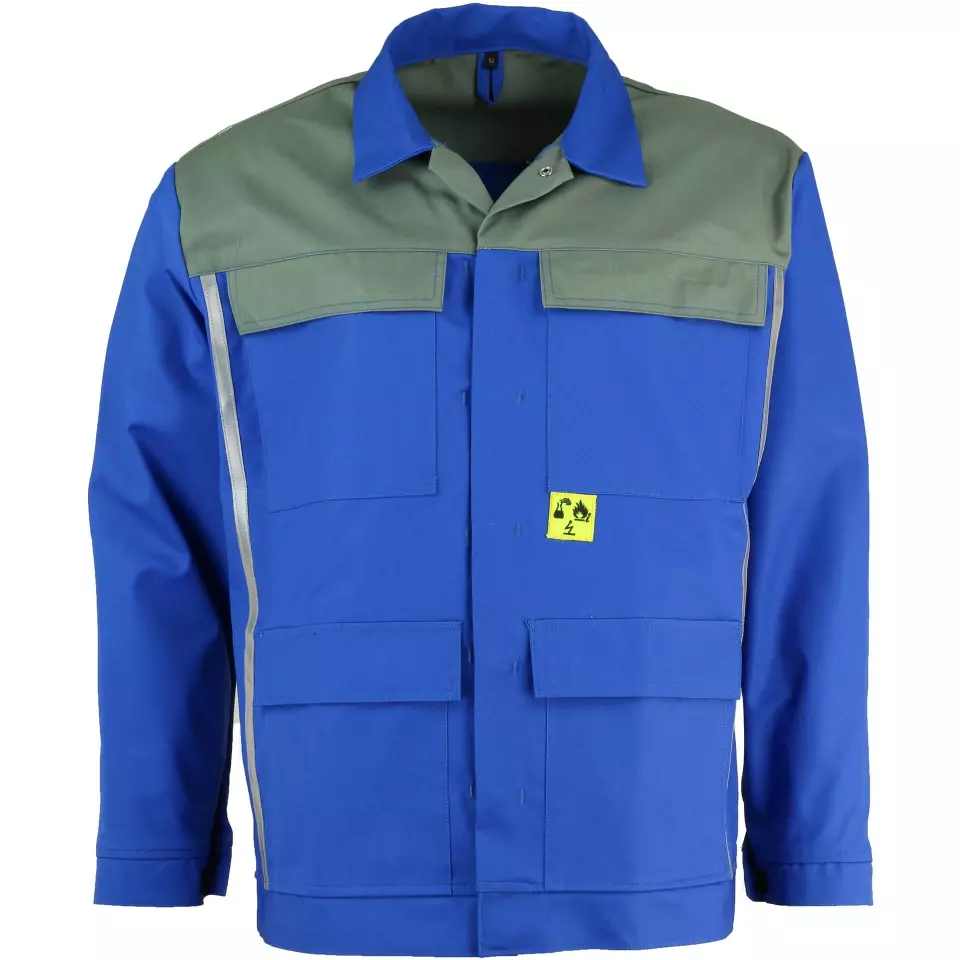
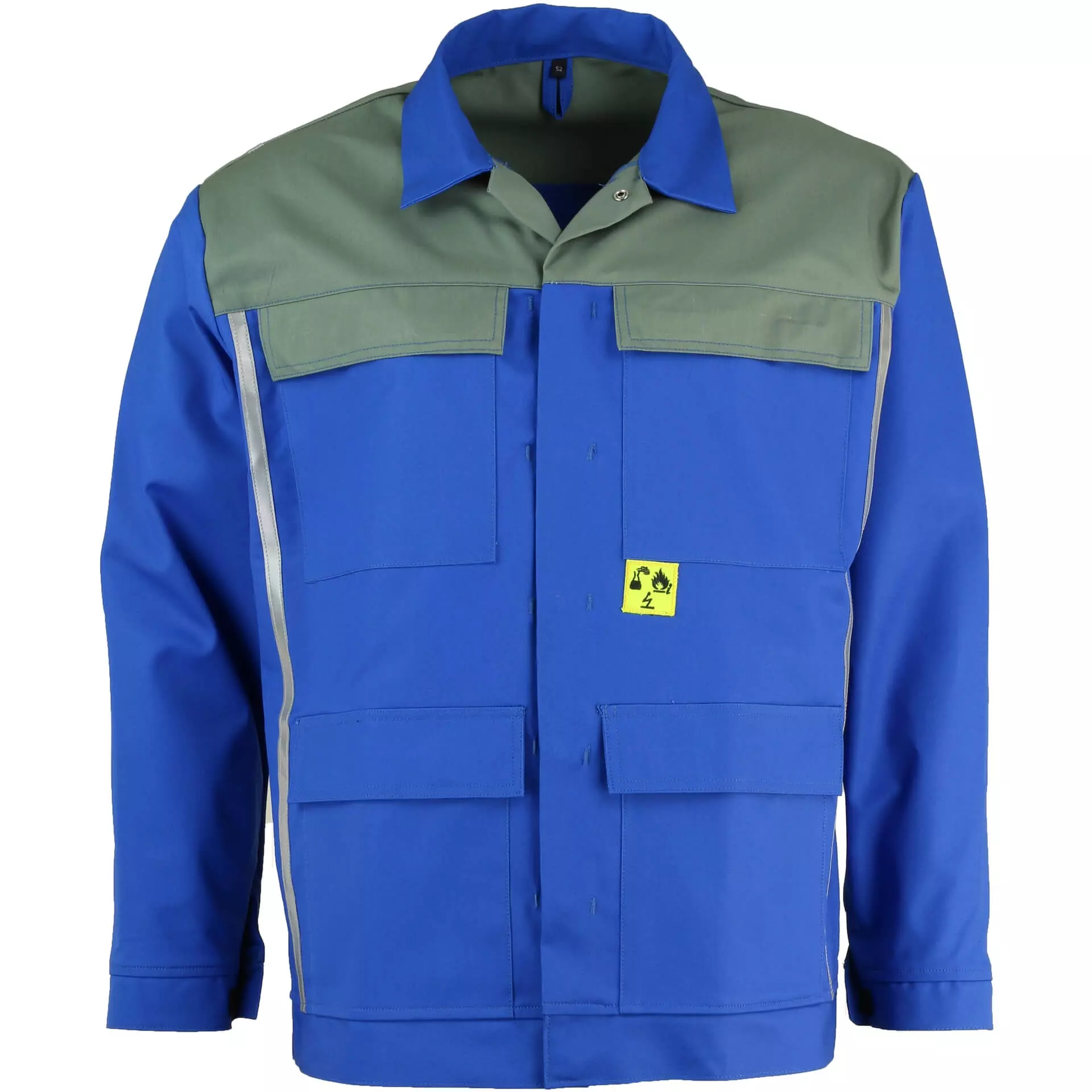
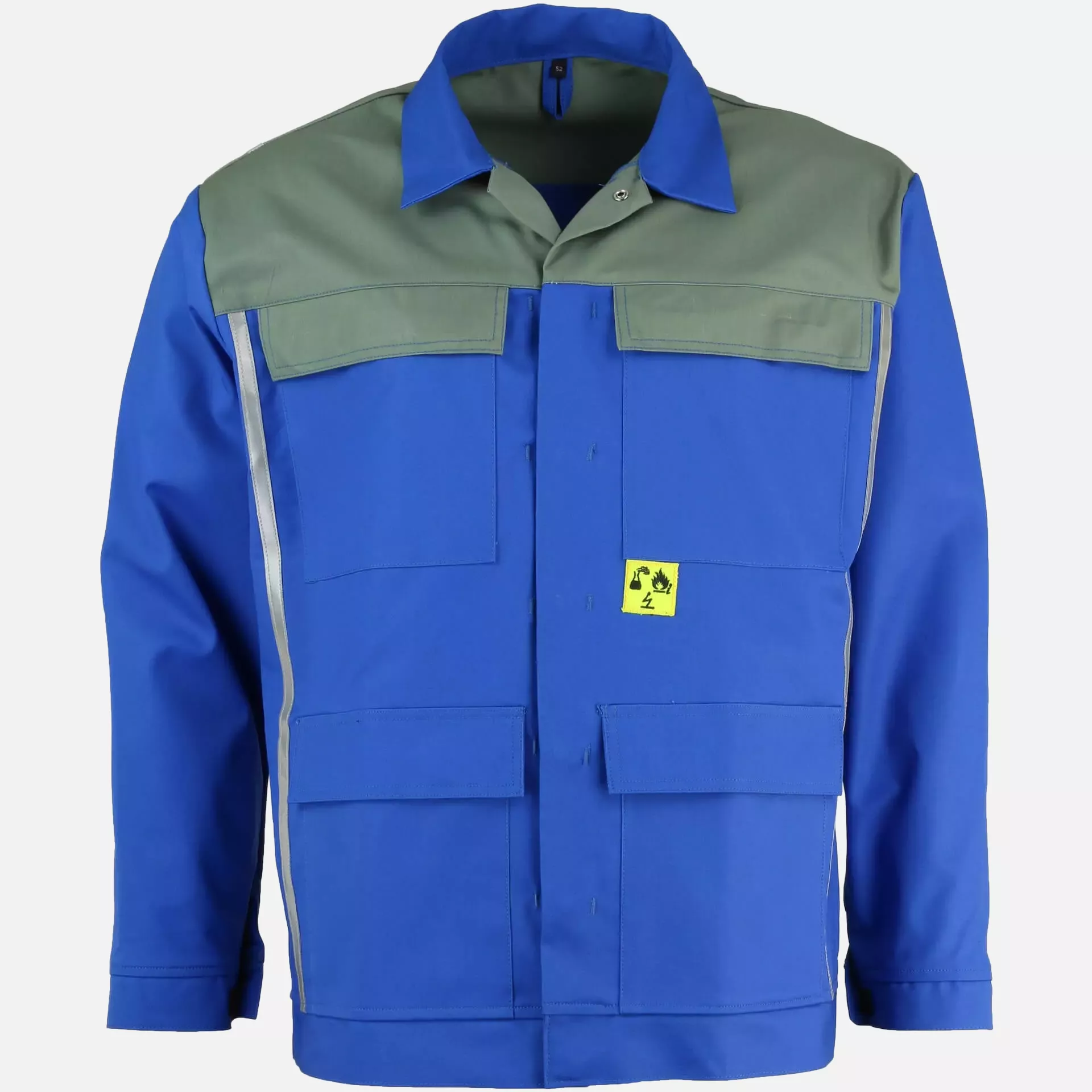
  • with yoke separation in gray
  • with concealed press stud placket
  • 2 patch side pockets with flaps and Velcro fastening
  • 2 breast pockets with flap and Velcro fastening
  • 1 inside pocket on the bottom left without closure
  • Sleeves with cuff and gusset to be closed with Velcro tape
  • Turn-down collar blue
  • 1 vertical flame-retardant reflective strip on each side at the front
  • 1 vertical flame-retardant reflective strip on each side at the back

54 % modacrylic, 45 % cotton, 1 % other fibers (antistatic) with FC finish approx. 320g/m²

EN 13034:2005 A1:2009, EN ISO 13688:2013, EN ISO 11611:2015 Class 1 A1 A2, EN ISO 11612:2015 A1 A2 B1 C1 E1, IEC 61482-2:2018 in combination with IEC 61482-1-2 Ed.2:2014 Class 1, EN 1149-5:2008 in combination with EN 1149-3:2004
  • Defines pocket types and locations, such as chest, ID, or zipper pockets, providing organized storage and quick access to tools, phones, and work essentials.

  • Determines the overall design and construction approach, affecting weather protection, mobility, and suitability for different work environments.

  • How the sleeve opening closes or fits at the wrist, affecting protection from elements and comfort during movement.

  • The design and structure of the neckline area, affecting protection from elements, professional appearance, and comfort around the neck and shoulders.

  • Indicates whether the jacket or vest is designed and sized for men, women, children, or cut in a unisex style to accommodate different body types.

  • Chemical Resistance
  • Heat & Flame Resistance
  • High Visibility
  • Electrical Protection
  • Welding
  • Machine Washable
  • Protective clothing with the EN 11611:2015 rating is tested for protection against molten metal splashes, limited flame spread, radiant heat from welding, and reduced electrical shock risk. This ensures professionals in welding and allied processes are protected from common hazards, helping to minimize injuries.

    Test results

    This garment offers protection for less hazardous welding work. It protects the wearer against small splashes of molten metal, brief contact with flames, and radiant heat from the welding arc.

  • Protective clothing with the EN 61482-2:2020 rating is tested for protection against the thermal hazards of an electric arc, including extreme heat, flames, and metal splashes. This ensures the clothing helps prevent severe burns and injuries, providing critical safety for wearers near electrical hazards.

  • Protective clothing with the EN 13688:2013 rating are tested for general requirements like ergonomics, harmlessness, accurate sizing, durability after cleaning, and clear labeling. This ensures the clothing is safe, comfortable, fits well, and provides reliable, long-lasting protection with clear user instructions.

  • Protective clothing with the EN IEC 61482-1-2:2018 rating is tested for its resistance to the thermal effects of an electric arc flash using a "box test" method. This ensures the garment provides a certified level of protection, significantly reducing the risk of burn injuries from unexpected electrical incidents.

    Test results

    This garment protects you from the thermal hazards of a sudden electric arc flash. It is rated Arc Protection Class 1 (APC 1), tested to shield against a 4kA short circuit electric arc.

  • Protective clothing with the EN 13034:2005+A1:2009 rating is tested for limited protection against liquid chemicals, such as light spray or splashes. This ensures the garment resists chemical penetration and repellency, allowing you to work safely with low-risk chemical exposure and remove it quickly if contaminated.

    Test results

    This garment offers protection against light sprays, liquid aerosols, and low-pressure, low-volume splashes of liquid chemicals. It is designed for low-risk situations where a full chemical barrier is not needed and you can act if contaminated.

  • Protective clothing with the EN 1149-3:2004 rating is tested for its ability to dissipate electrostatic charges from the material surface. This helps prevent static electricity buildup and reduces the risk of ignition in environments with flammable gases, vapors, or dust.

    Test results

    This material is tested to dissipate electrostatic charge. It prevents the build-up of static electricity, avoiding sparks that could ignite flammable materials or damage sensitive electronics. This is crucial for safety in potentially explosive atmospheres.

  • Protective clothing with the EN 1149-5:2008 rating is tested for its ability to safely dissipate electrostatic charges and prevent sparks. This protects wearers in environments where flammable gases, liquids, or dust could create an explosive atmosphere. It reduces the risk of accidental fires or explosions from static discharge.

    Test results

    This garment's material is tested to reduce static electricity buildup. It helps prevent sparks that could cause a fire or explosion in certain work environments, keeping you safer around flammable materials or sensitive electronics.

  • Protective clothing, including garments, gaiters, hoods, and overboots, with the EN 11612:2015 rating are tested for protection against various heat and flame hazards like limited flame spread, convective heat, radiant heat, and splashes from molten metals. This ensures the clothing meets minimum safety standards for specific thermal risks, helping you choose gear that provides essential protection in hazardous environments.

  • PPE stands for "personal protective equipment." PPE Category 3 refers to equipment that is complex and provide the highest level of protection such as powered respirators, SCBA, and full body suits. In Europe, PPE Category 3 must meet certain safety standards set by the European Union, which means that it must be designed and manufactured to protect the user without causing harm. Companies that make or sell PPE must prove that it meets these standards. They also must have a quality management system in place, have to be audited regularly by a notified body and have to have a technical documentation.

Free delivery for all Asatex products

Other products you may like

Similar products you may like