




Rubber Insulating Glove Classes: A Guide To Voltage Ratings And Protection Levels
Choosing the right rubber insulating gloves can be tricky, but it’s essential for your safety. This guide will help you...

















Vinyl gloves are a useful tool for maintaining hygiene and safety across various industries, from food handling to healthcare. This guide is designed to ensure that by the end, you will have all the information needed to confidently select the right vinyl gloves for your specific tasks, whether it’s for food production, cleaning, or light manufacturing.
Furthermore, we also provide solutions for your next challenge, whether it involves choosing nitrile gloves, chemical-resistant gloves, or any other specialized options. Explore our guide on nitrile gloves here for additional insights.
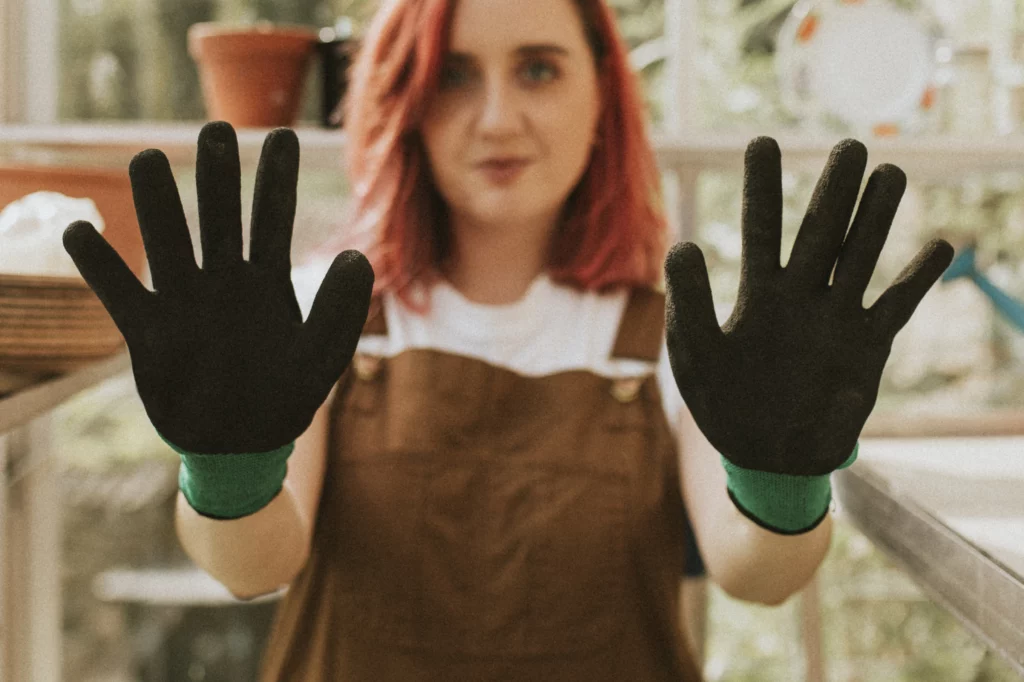
Vinyl gloves, also known as synthetic gloves or disposable gloves, are made from polyvinyl chloride (PVC). They offer a cost-effective alternative to nitrile or latex gloves and are commonly used for tasks that require minimal durability and protection. Due to their affordability and comfort, vinyl gloves are commonly chosen in industries such as food service, cleaning, and healthcare.
Vinyl gloves are versatile and commonly used for:
If you’re interested in gloves for more specialized tasks, explore our related guides on chemical-resistant gloves and cleanroom gloves.
Selecting the right type of vinyl gloves depends on your specific needs. Here are the main types available:
Vinyl gloves come in varying thicknesses:
Some vinyl gloves are designed for specific applications, such as textured gloves for better grip or extended cuffs for added protection.
Learn more about choosing vinyl gloves for food handling.
When deciding on vinyl gloves, it’s helpful to compare them to other materials:
| Feature | Vinyl Gloves | Nitrile Gloves | Latex Gloves |
| Cost | Affordable | Moderate | Moderate |
| Durability | Low to Moderate | High | Moderate |
| Allergy-Free | Yes | Yes | No |
| Grip & Dexterity | Moderate | Excellent | Excellent |
For a deeper dive, read our guide on Nitrile vs. Vinyl Gloves.
Choosing the right size ensures comfort and effectiveness. Use this size chart to guide your selection:
| Hand Circumference (cm) | Glove Size |
| 15-18 | Small |
| 18-21 | Medium |
| 21-24 | Large |
| 24-27 | Extra Large |
Read more about sizing for vinyl gloves.
Match the glove’s features to your task. For example:
European safety standards like EN 455 and EN 374 ensure that vinyl gloves meet stringent requirements for durability, protection, and hygiene.
EN 455 focuses on medical-grade gloves, testing for defects, physical properties, biological safety, and shelf life, while EN 374 certifies gloves for chemical resistance and protection against harmful substances.Always check these certifications when purchasing gloves for regulated industries.
Purchase from trusted suppliers to guarantee quality and reliability. Some top European suppliers include:
Explore more trusted suppliers here.

Vinyl gloves are popular across industries such as:
For tasks requiring specialized gloves, check our guides on disposable gloves and industrial gloves.
Here are some of the leading suppliers of vinyl gloves in Europe:
For a complete list, visit our supplier catalog.
We hope this guide has been helpful in navigating the key factors for choosing the best vinyl gloves, from intended use to supplier reputation. Whether you need gloves for food handling, cleaning, or light manufacturing tasks, we’re here to support you in making a confident choice. Explore the full range of vinyl gloves on Droppe, where trusted brands like Ansell, Unigloves, and Santex are just a click away.
If you have questions or need advice on selecting the right gloves, don’t hesitate to reach out—we’re always here to help ensure your safety and confidence with every purchase. – The Droppe Team
For more insights, check out related guides:
– The Droppe Team
No, vinyl gloves are not biodegradable. They are made from polyvinyl chloride (PVC), which is a synthetic material. If environmental impact is a concern, consider exploring gloves made from more eco-friendly materials like nitrile or latex.
Vinyl gloves are designed for single-use only. Reusing them can compromise their integrity and hygiene, potentially increasing the risk of contamination or failure.
Vinyl gloves are not recommended for use in extreme heat or cold, as they can become brittle or lose their flexibility. For high-temperature tasks, consider gloves made from specialized heat-resistant materials.
Vinyl gloves provide moderate grip but are not ideal for handling oily or greasy substances as their grip and chemical resistance are limited. Nitrile gloves are a better choice for such applications.
Vinyl gloves typically have a shelf life of 3-5 years if stored in a cool, dry place away from direct sunlight and extreme temperatures. Always check the manufacturer’s guidelines for specific storage recommendations and expiration dates.








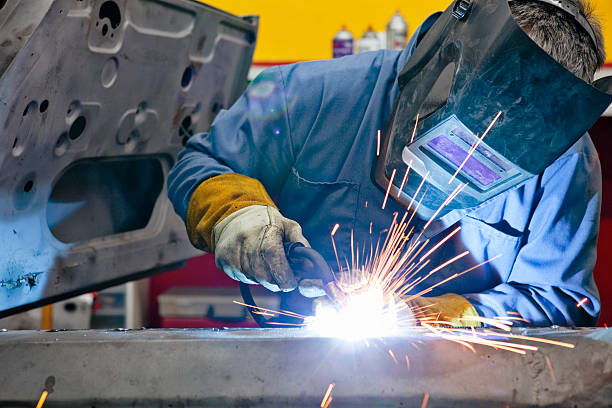
Choosing the right rubber insulating gloves can be tricky, but it’s essential for your safety. This guide will help you...
Choosing the right Arc Flash Gloves is key to ensuring your safety in high-risk environments like electrical maintenance or construction....
Choosing the right Rubber Insulating Gloves is essential for safety in electrical work, but with so many options, it can...
Choosing the right rubber insulating gloves can be tricky, but it’s essential for your safety. This guide will help you...
Choosing the right Arc Flash Gloves is key to ensuring your safety in high-risk environments like electrical maintenance or construction....
Choosing the right Rubber Insulating Gloves is essential for safety in electrical work, but with so many options, it can...
Get 10€ off on your first order!
Save 30% by buying directly from brands, and get an extra 10€ off orders over €100
Save 30% by buying directly form brands, and get an extra 10€ off orders over €100