




Essential PPE in the Food Industry: What You Need to Know
Overwhelmed by PPE options for food safety? Master your PPE selection for food workers safety with these practical tips.




















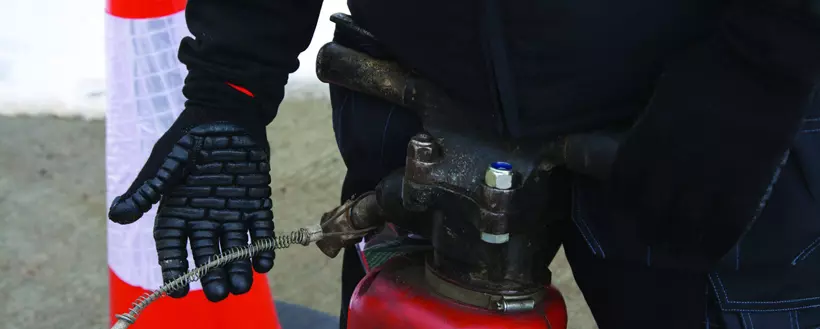
Managing vibration exposure is essential for maintaining worker health and productivity in industries like construction and manufacturing. EN ISO 10819, a key standard for evaluating anti-vibration gloves, provides a reliable way to protect workers from various challenges.
This guide will explain everything you need to know to confidently choose the best gloves for your needs, ensuring compliance, safety, and comfort.
As a bonus, we’ll also guide you on what to consider next once you’ve selected the right gloves. For those ready to dive deeper into glove options, explore our comprehensive buyer’s guide.
The EN ISO 10819 standard specifies the methods for testing and measuring the effectiveness of gloves in reducing vibrations. Designed primarily for workers exposed to hand-arm vibration, such as those using power tools, the standard ensures gloves meet performance criteria for vibration reduction.
You can learn more about the technical specifications from authoritative sources like ISO.org and GuideGloves.com.
Industries like construction, manufacturing, and forestry benefit greatly from managing vibration exposure effectively. Proper protective measures help prevent grip fatigue, nerve discomfort, and circulation challenges. By using gloves that meet the EN ISO 10819 standard, workers can minimize these risks effectively.
If you’re interested in gloves that address specific risks, explore our range of anti-vibration gloves.
Understanding how gloves are tested under EN ISO 10819 helps in selecting the right product. The standard evaluates gloves by measuring their vibration attenuation properties across different frequency ranges.
This ensures that certified gloves deliver reliable protection. For more about selecting gloves, consult How to Choose the Right Work Gloves.
When purchasing anti-vibration gloves, focus on these features:
Explore a curated selection of impact-resistant gloves for additional safety against mechanical shocks.
While EN ISO 10819 is the primary standard for vibration dampening gloves, other standards like EN 388 (mechanical protection) and EN 420 (general glove requirements) may also be relevant.
| Standard | Focus Area | Relevance |
| EN ISO 10819 | Vibration reduction | Essential for vibration-intensive work. |
| EN 388 | Cut, tear, and abrasion resistance | Useful in environments with sharp objects. |
| EN 420 | General glove performance | Ensures fit, safety, and comfort. |
For multi-hazard protection, consider cut-resistant gloves alongside anti-vibration gloves.
Anti-vibration gloves are indispensable for workers using tools such as:
Combining these gloves with proper safety shoes can further enhance workplace safety.
Selecting gloves certified under EN ISO 10819 can be straightforward if you follow these steps:
For a detailed buying guide, visit How to Choose the Right Anti-Vibration Gloves.
If you’re exploring other types of protective gear, check out these guides:
We hope this guide has helped you understand the essentials of the EN ISO 10819 standard and how it supports worker safety in vibration-prone industries.
By choosing gloves that meet this standard, you can confidently address vibration hazards and ensure compliance with workplace safety requirements. Explore our anti-vibration gloves collection to find trusted, certified options for your needs.
If you have further questions or are looking for additional protective solutions, such as impact-resistant or cut-resistant gloves, we’re here to guide you every step of the way.
Look for certification labels on the glove or check the manufacturer’s documentation. Reputable brands typically provide detailed compliance information, including testing results.
No, these gloves are designed specifically to reduce mechanical vibrations in medium- and high-frequency ranges. For other types of vibration or impact, additional protective features may be necessary.
Replacement depends on wear and tear, the frequency of use, and the conditions in which they are used. Inspect gloves regularly for signs of degradation, such as thinning padding or tears, and replace them as needed.
Many anti-vibration gloves are not designed for extreme hot or cold environments. If temperature protection is required, look for gloves with additional insulation or heat-resistant features.
Yes, while these gloves reduce vibration, they cannot eliminate it entirely. They are most effective when used in conjunction with proper tool maintenance and safe work practices. Ensure that tools are functioning correctly and follow recommended exposure limits for vibration.









Overwhelmed by PPE options for food safety? Master your PPE selection for food workers safety with these practical tips.

Electricians across Europe face unique challenges that require reliable safety glasses to ensure both protection and efficiency. Whether safeguarding against...

Struggling to maintain clear vision in demanding environments? This guide is here to help. By the end, you’ll know exactly...
Overwhelmed by PPE options for food safety? Master your PPE selection for food workers safety with these practical tips.
Electricians across Europe face unique challenges that require reliable safety glasses to ensure both protection and efficiency. Whether safeguarding against...
Struggling to maintain clear vision in demanding environments? This guide is here to help. By the end, you’ll know exactly...
Get 10€ off on your first order!
Save 30% by buying directly from brands, and get an extra 10€ off orders over €100
Save 30% by buying directly form brands, and get an extra 10€ off orders over €100