✓ Free 30-day return ✓ Fast deliveryEurope's top brands and guidesTrusted by over 40,000 customers
Deutschland
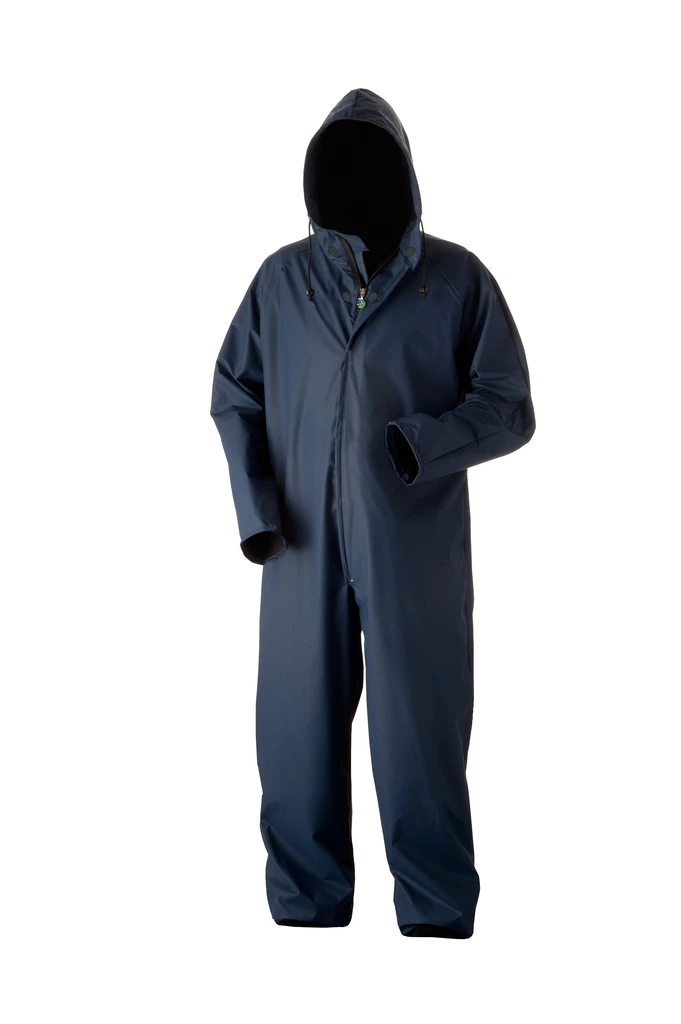
Dolfing 433-12-35, PATERSON Coverall P12 Navy blue
-9%

Dolfing PATERSON Coverall P12 Navy blue

141,04 € / piece

4.6 / 5

Dolfing

Dolfing logo

PATERSON Coverall P12 Navy blue

Dolfing

PATERSON Coverall P12 Navy blue

Dolfing logo

4.6 / 5

141,04 €

156,40 
Estimated delivery: Thu Jan 1

Choose size

Free delivery

Features You'll Love

Overall Type · Hooded feature highlight

Overall Type · Hooded

Defines the functional design type of the overalls, such as insulated for cold weather, disposable for contamination protection, or hooded for added coverage.

EN 1149-3 · Electrostatic Properties Tested feature highlight

EN 1149-3 · Electrostatic Properties Tested

This material is tested to dissipate electrostatic charge. It prevents the build-up of static electricity, avoiding sparks that could ignite flammable materials or damage sensitive electronics. This is crucial for safety in potentially explosive atmospheres.

Product description

EN343, EN14605, EN1186, Oil Resistant
  • The method used to fasten and secure the overalls, affecting ease of dressing, fit security, and convenience during work activities.

  • The fabric or combination of fabrics used to construct the overalls, affecting durability, protection level, comfort, and suitability for specific work environments.

  • The exterior color of the overalls, affecting visibility, professional appearance, and compliance with workplace safety requirements.

  • Indicates the intended fit and sizing category, ensuring proper proportions and comfort for different body types.

  • Defines the functional design type of the overalls, such as insulated for cold weather, disposable for contamination protection, or hooded for added coverage.

  • Chemical Resistance
  • Heat & Flame Resistance
  • Electrical Protection
  • Water Resistance
  • Chemical protective clothing and partial body garments with the EN 14605:2005 rating are tested for their resistance to liquid chemicals, ensuring liquid-tight (Type 3) or spray-tight (Type 4) connections. This means you can choose clothing that offers certified protection against specific chemical splashes or sprays, giving you confidence in hazardous environments.

  • Chemical protective clothing, like coveralls and suits, with the EN ISO 13982-1:2004 rating are tested for resistance against penetration by airborne solid particles and for robust seam integrity. This ensures the clothing provides reliable full-body protection from hazardous dusts and fine dry chemicals.

    Test results

    This full-body suit protects you from hazardous airborne solid particles like dust and fibres. It's ideal for tasks such as asbestos removal, pharmaceutical work, or any job where you are exposed to harmful dry particulates.

  • Protective clothing with the EN 1149-3:2004 rating is tested for its ability to dissipate electrostatic charges from the material surface. This helps prevent static electricity buildup and reduces the risk of ignition in environments with flammable gases, vapors, or dust.

    Test results

    This material is tested to dissipate electrostatic charge. It prevents the build-up of static electricity, avoiding sparks that could ignite flammable materials or damage sensitive electronics. This is crucial for safety in potentially explosive atmospheres.

  • Protective clothing and materials with the EN ISO 14116:2015 rating are tested for limited flame spread properties, checking if they self-extinguish after brief contact with a small flame. This means the garment will not continue to burn, reducing the risk of injury for the wearer.

  • Protective clothing with the EN 343:2019 rating is tested for resistance to water penetration and water vapor, meaning how well it keeps you dry from external wetness and allows sweat to escape. This ensures you stay comfortable and protected in rain, snow, fog, and humid conditions.

  • Food safe refers to the safety of food products that are used or consumed by people. In Europe, food safety is regulated by the European Union (EU) and the European Food Safety Authority (EFSA). These organizations set standards and requirements for food products to ensure they are safe to eat. To be considered "food safe" in Europe, a product must meet these standards and be free of harmful substances. This includes being free of harmful bacteria, pesticides, and other contaminants. Food products that do not meet these standards cannot be sold or used in the EU.

Free delivery for all Dolfing Druten products

Other products you may like

Similar products you may like